English Version: Almighty Dynamic Templates

Management Summary
This article highlights the opportunities and benefits of using Dynamic Ads Templates, while also considering the challenges and needs of this powerful advertising tool.
Advantages of Dynamic Ads
This dynamic setup allows to:
- save time in banner variation implementation
- deliver customized messages for different target groups
- if done right, it’s better appreciated by the audience due to relevant content by using signals and algorithms
- often generating better click-through rates
- better workflow and cooperation between media and creative teams
Drawbacks
As of the moment for every newly implemented campaign, we must create an HTML template.
You’d assume that once we have a template we can re-use it for campaigns that have the same look and feel. To some extent this is true. However, in the end, we still have different HTML files for each banner.
The more campaigns we implement, the more template files stack up.
The same thing can be said about content feeds.
Not to mention that there’s always a creative campaign setup involved.
So, what if we could avoid this?
The ALMIGHTY Template
The ALMIGHTY Template Setup. A setup that allows having all the campaigns in “just one place”.
This means that the HTML template will be composed of different layouts and animation templates, inside of itself. (Templates inside of the template)
The feed itself would be built in a more complex way in the sense that it should have all the possible elements for the banners.
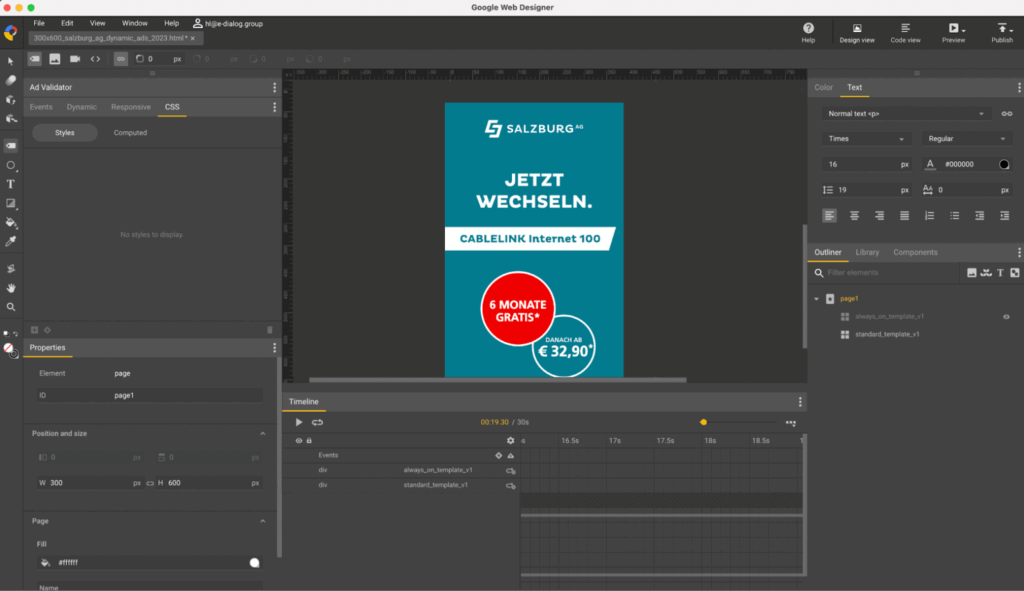
Screenshot of Google Web Designer that shows what the template looks like, Source: e-dialog
Feed Definition
A major point about this setup is that the feed has to be very well-defined from the beginning.
This means that we have to think about what will be the maximum amount of elements a banner might have.
These elements don’t have to necessarily be presented all at once. As matter of fact, we don’t have to always use all the elements in the feed.
The limitation would be, for example, if at some point we want to have 4 headlines displayed in the ad, but the feed only has the possibility to insert 3 headlines.
These dynamic elements have to be defined quite strictly, because once the setup is done it can take quite some effort to add more elements in the future.
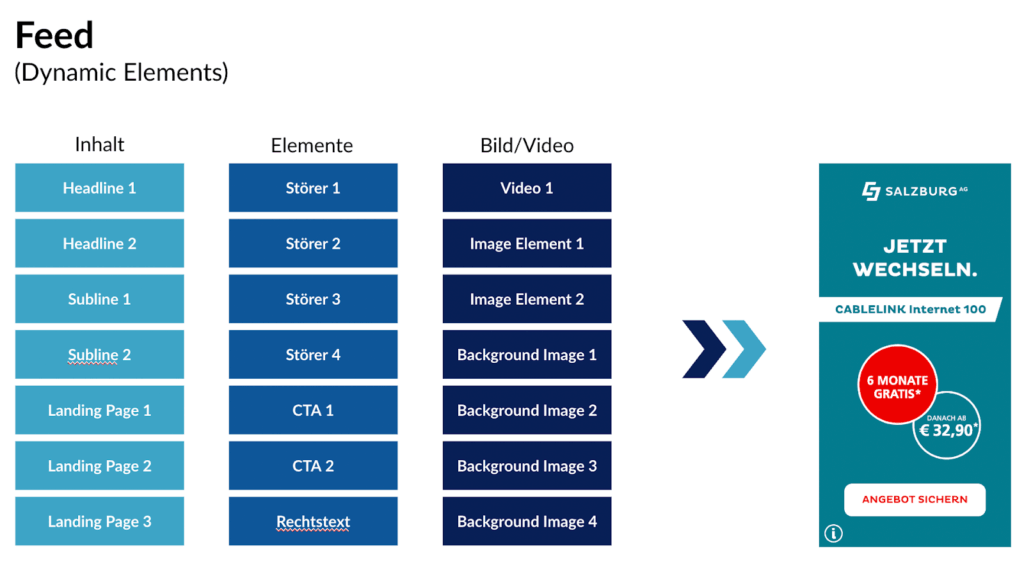
Feed definition example for our client Salzburg AG, Source: e-dialog
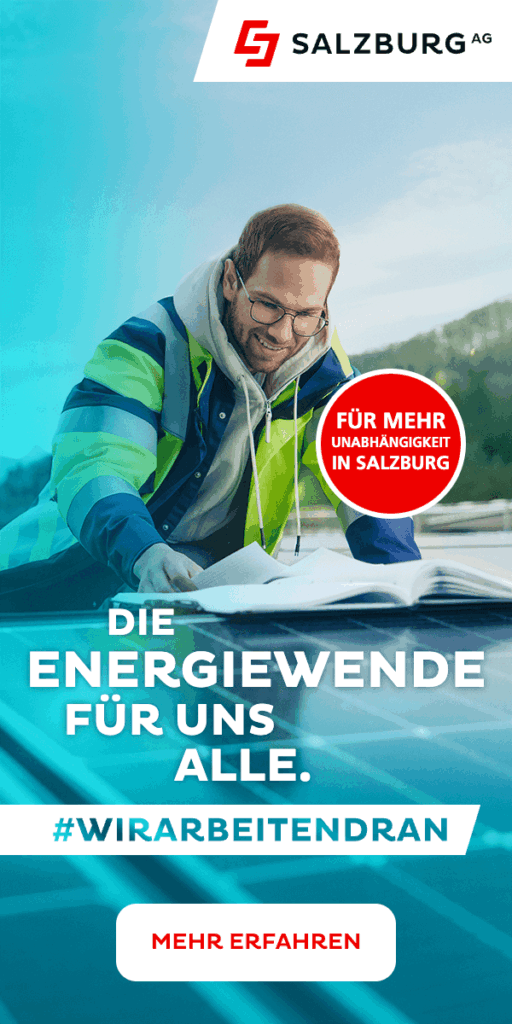
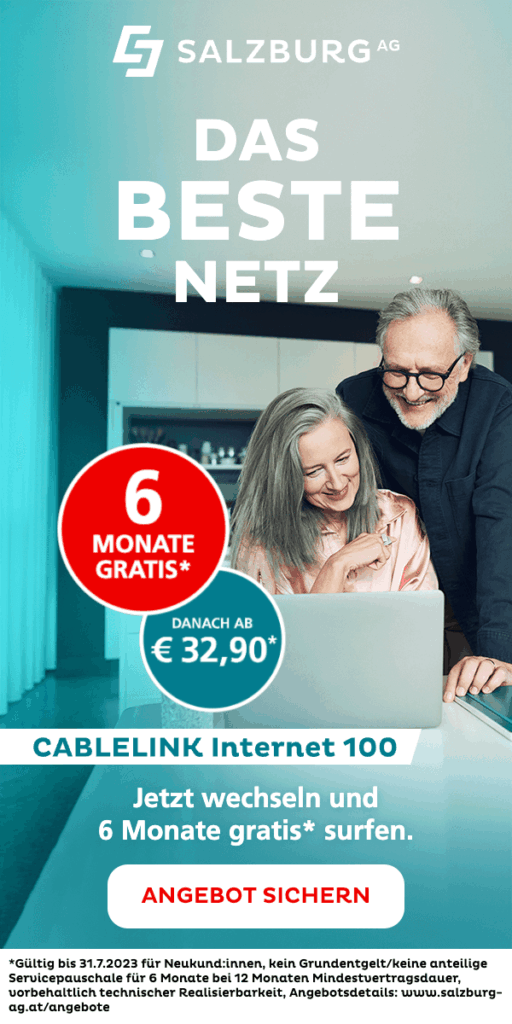
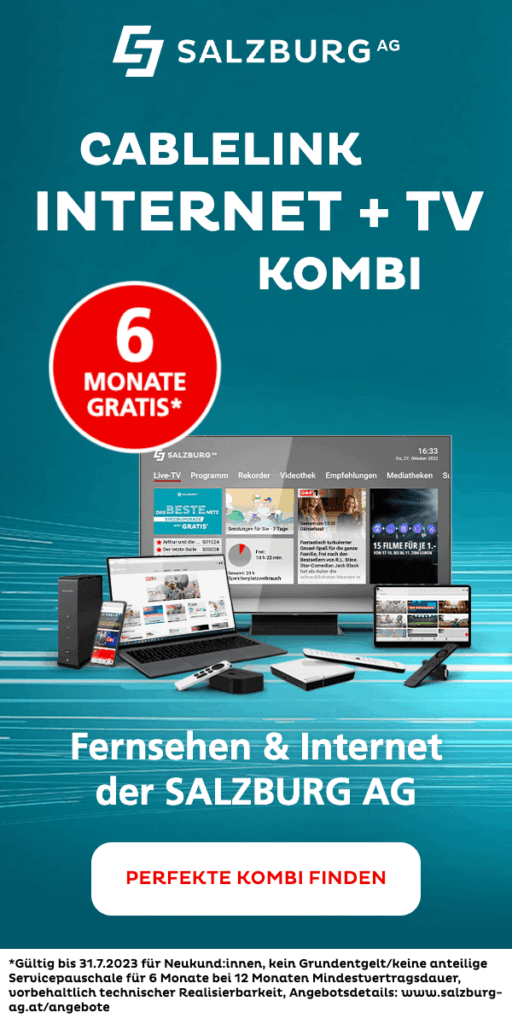
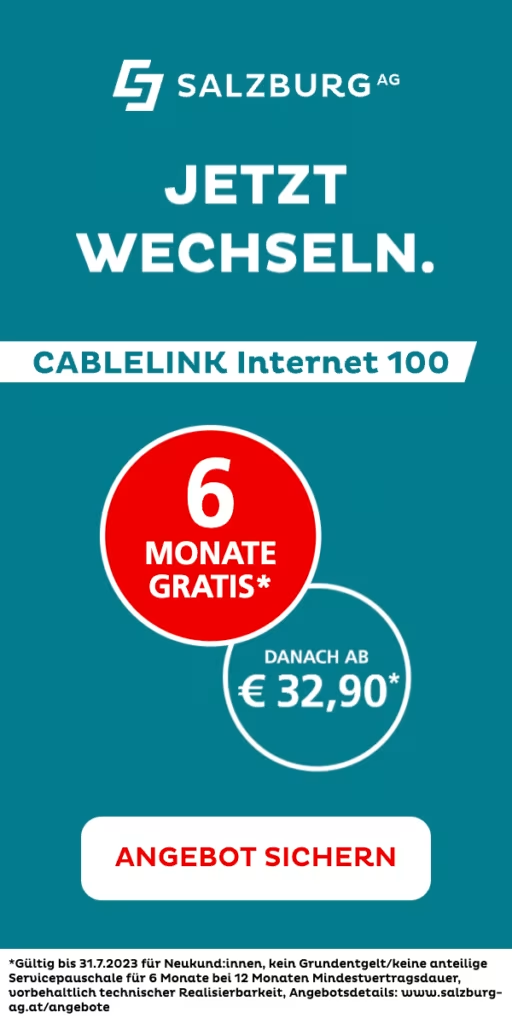
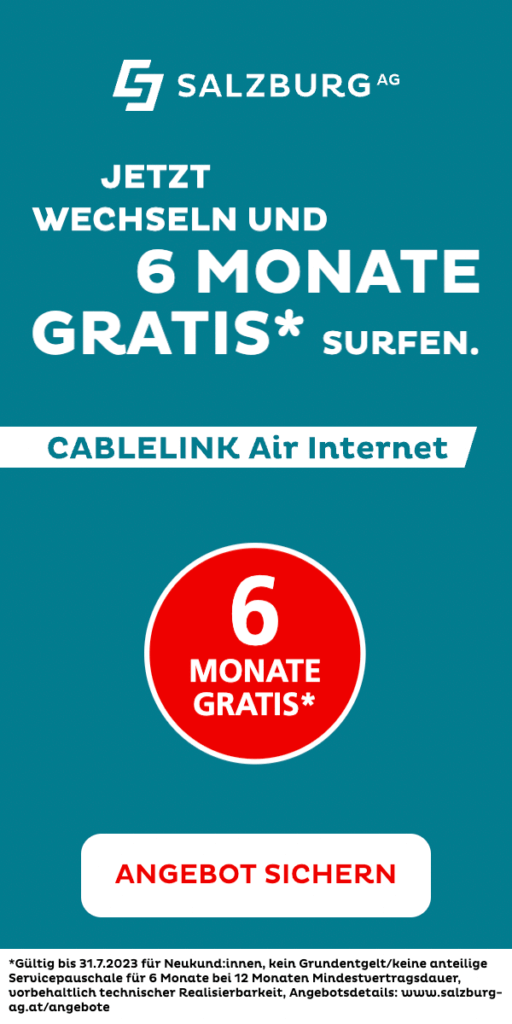
Banner variations for our client Salzburg AG just from 1 template and 1 feed, Source: e-dialog
Why hasn’t this been done like this before?
This comes down mostly to the HTML part of the process. The tools we use to create dynamic banners (Google Web Designer in this case) don’t actually have a native feature to have templates inside of a template.
Through the use of our acquired experience in Google Studio as well as the use of our programming skills, we’re able to creatively trick our creatives into having more than one template inside of itself.
Advantages of this setup
As mentioned before, one of the advantages of this setup is that for every campaign we will have everything “in just one place”. Meaning there’s only 1 feed, and only 1 HTML file (per format).
Another advantage is time-saving as well. Firstly by only having set up the campaign in Google Studio once. Secondly, once we have some layout animations implemented into the banner, it would be even faster to make banner variations for new campaigns.
It must be taken into consideration though, that if we have to create a new animation inside the template, we will still need some time to do this. But if it’s already there, we literally re-use in every meaning of the word.
Conclusion
Creating almighty dynamic templates isn’t a straightforward process and requires some programming skills, but this setup allows for faster creation of banner variations as well as a centralized and organized setup. However, it must be taken into consideration that if new animations are needed there will still be the need to invest some time in implementing them.