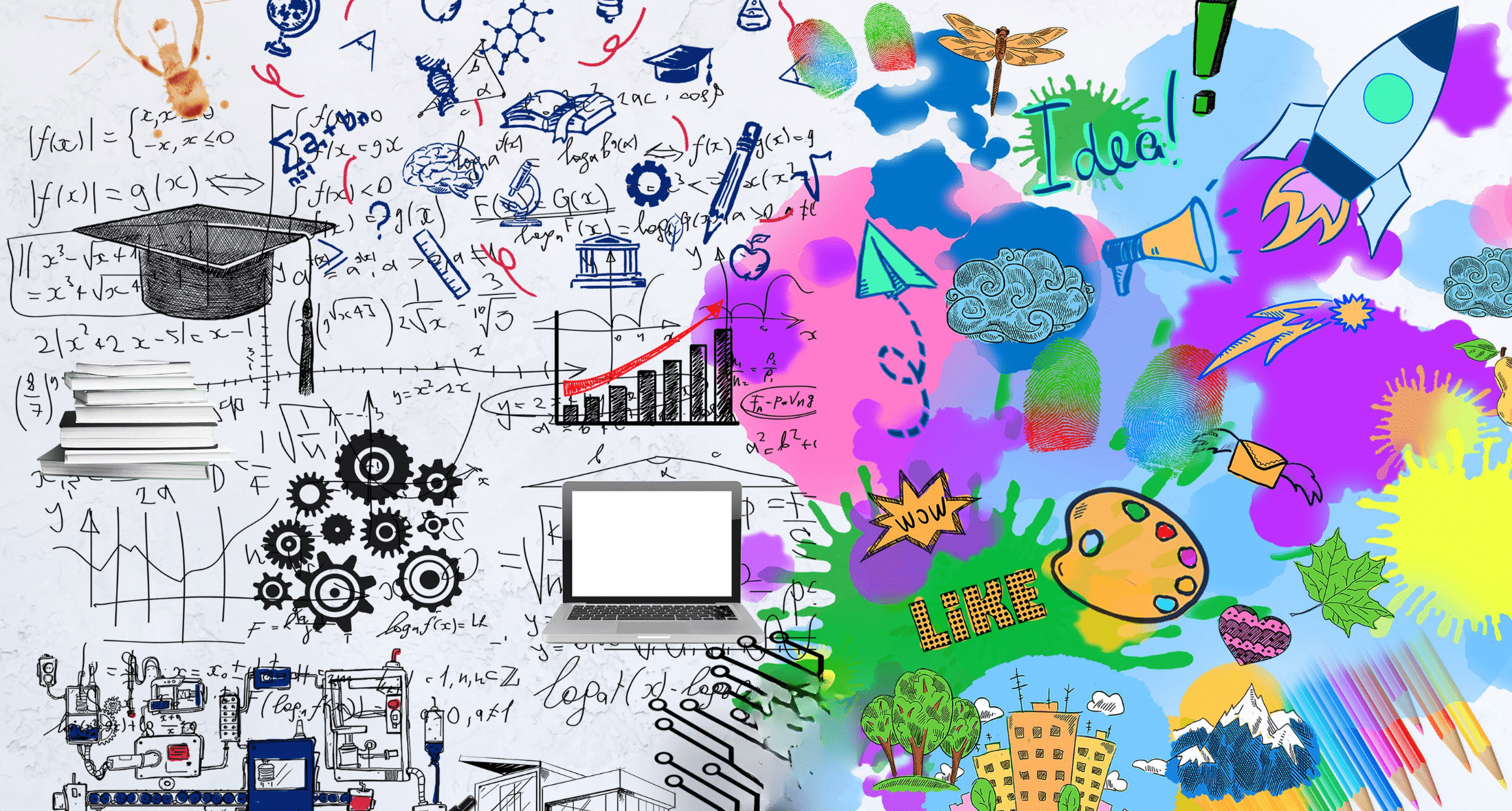
Why Creativity Pays Off – And Brands Need More Courage

Management Summary
Marketing today operates in an interplay of data, automation, performance goals, and scalability. Campaigns are increasingly managed efficiently, precisely targeted, and structurally optimized. Yet, one factor is often underestimated in the process – or, even worse, considered too late: creatives.
While advertising materials are usually the last visible step in a campaign, strategically, they should be at the beginning. Because they determine whether target groups pay attention. Whether they feel. Whether they click. And whether they buy.
Nevertheless, in everyday life, we observe two typical patterns:
Either creatives are produced as an afterthought – “we already have that image video, that’ll do.”
Or creation is only involved when channels have long been booked and funnels are locked in.
Both scenarios cost companies impact. And impact is measurable money.
Creatives are not an add-on. They are a business multiplier.
When we talk about performance, creation is rarely the first topic. Yet, every advertising material is more than a decorative element of a media plan. It is the impact factor that determines whether 1 euro of media budget returns 1 euro – or 6 euros. Whether a campaign builds awareness or is ignored. And whether a brand takes a stand or is perceived as interchangeable.
Heinz Ketchup: Creativity as a Comeback Lever
An example that shows what bold creation can achieve is Heinz Ketchup. In the early 2010s, the brand increasingly lost market share to cheaper private labels. The reason was not product quality, but a lack of recognizable brand communication.
Heinz opted for creative repositioning. Humorous, confident campaigns once again celebrated the iconic product instead of repeating generic product arguments. Result: The years of sales decline were halted, market shares were regained, and in North America, growth rose to around 7 percent annually between 2017 and 2022.
Creativity turned the ROI – not media pressure.
Emotion sells – because people don’t buy rationally.
A recent Zappi study (2025) shows that ads with high emotional impact generate twice as many immediate conversions as average creative motifs. This means: It’s not always features, not always CTA buttons, not always placements that perform. It’s emotion.
People often forget what a brand said – but they never forget how a brand made them feel.
This is also proven by IKEA Norway, where understated storytelling moments – family life, intimacy, failure, joy – generated strong resonance. No huge budget, no overproduction. Just relevance. Creativity works not because it’s loud, but because it touches people.
“Creativity is expensive and risky.” The opposite is true.
The study Drivers of Profitability by Paul Dyson (Accelero Consulting, 2023) shows how strongly creation impacts profitability:
High-quality creatives can increase the Return on Media Spend twelvefold.
Additional validations confirm: Campaigns with high creative impact achieve, on average, a 30% higher ROI than those with weak execution.
This means:
Creativity does not cost money.
Lack of creativity costs money.
Weak advertising materials must be compensated with expensive media budgets to achieve any impact – often with a low probability of success. Investing in creation is not an aesthetic luxury, but a performance decision.
Artificial intelligence will change creation – but not replace it.
Generative AI enables image worlds, animations, and spots that previously could only be produced with great effort. Teams can iterate faster, scale, and modularly develop assets for target groups, funnels, and channels.
But AI is not an idea engine. It is an amplifier, not an origin. Creativity remains a human process – strategic understanding, brand management, empathy, and courage cannot be automated.
It’s not just for big brands – impact is scalable.
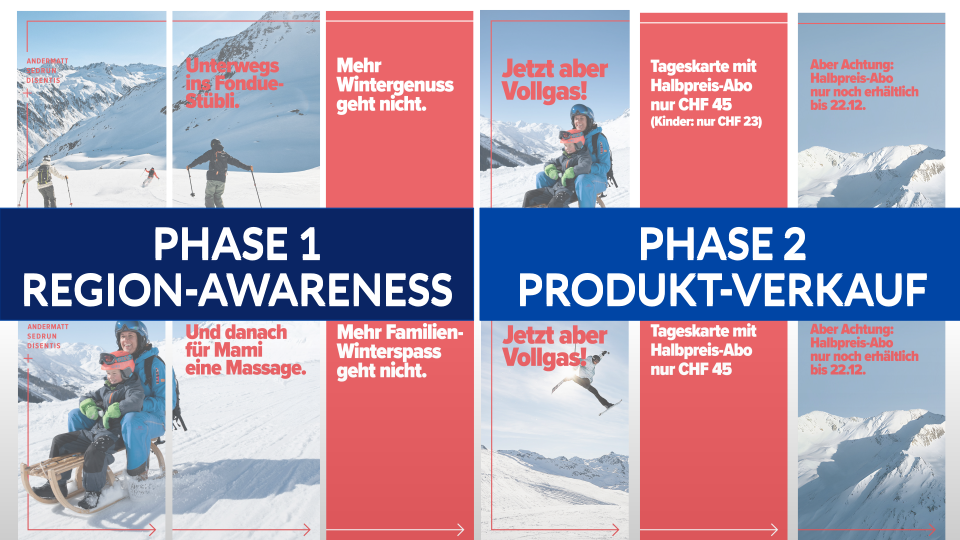
The Andermatt Sedrun Disentis case shows that strong creation is not tied to budget size. The goal was to sell half-price season passes in a highly competitive winter season environment.
Our team was involved early in the strategic process and was able to not only design creatives but also develop them data-driven: with target group-differentiated messages along the funnel – from awareness to sale.
The result speaks for itself:
- % ROAS
- % Revenue vs. previous year
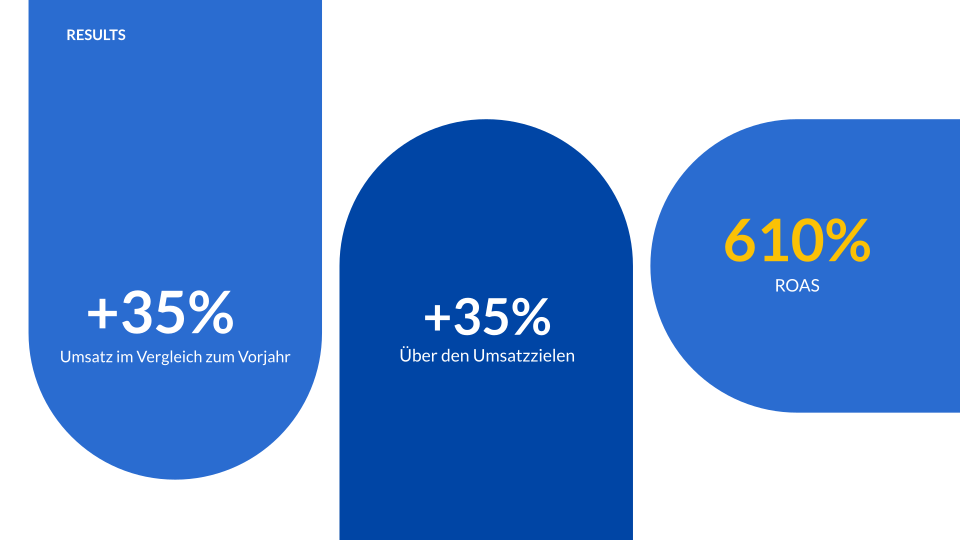
The campaign shows: When creation is not the end product, but the beginning of the process, efficiency, impact, and profitability increase.
Data-Driven Creativity: small optimizations – big impact.

Another example: Quellness Golf Resort
Previously, static assets were used, even though video formats perform better across channels. By dynamically animating existing motifs – created using AI – an efficient test run was implemented.
AB test results:
- % CTR
- % Interaction rate
- % Cost per click
This shows: Performance is not solely created by targeting optimization. It is created by creation that is tested – not estimated.
So why do most budgets still look like this?
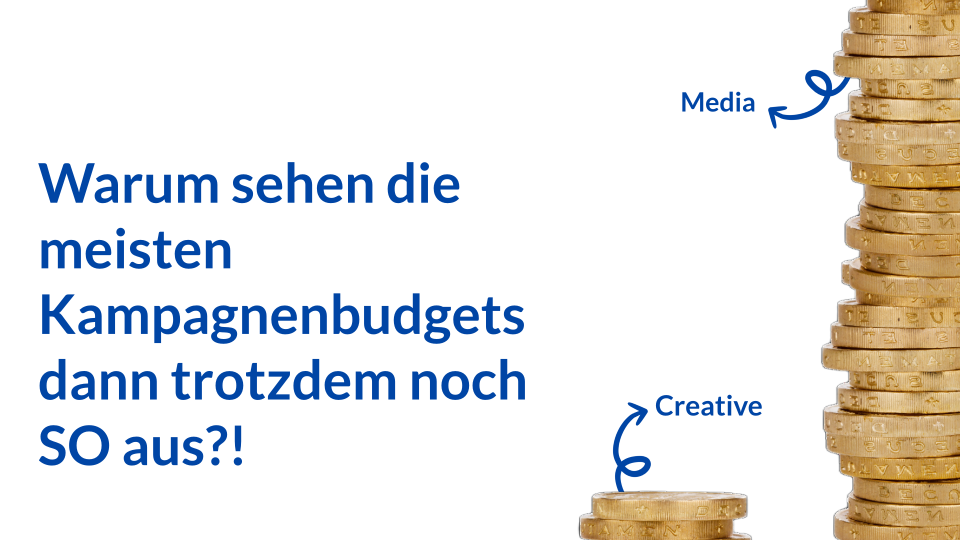
Media big. Creative small.
Reach is bought, but impact is expected – often without the foundation that makes it possible in the first place.
Yet, both historical brand examples like Heinz and current campaigns like Andermatt Sedrun Disentis (610% ROAS) and performance optimizations like in the Golf Resort case (+14.2% CTR, –5.1% CPC) clearly show one thing:
Creativity is not expensive – creativity saves money.
The stronger the creative, the less budget is needed to be effective.
The weaker the creative, the more expensive every click, every conversion becomes.
And this is precisely our aspiration at e-dialog.
Our credo: Creation is strongest when it is proven, not guessed.
We understand creativity not as inspiration in a vacuum, but as a strategic competence that is managed, tested, and optimized based on data. Not from gut feeling – but from impact.
Our USP: Creativity built on data
-
01
Creation meets data.
Ideas don’t come from gut feeling, but from insight.AB test results:
-
02
We don’t just design, we measure.
Creatives are hypotheses that we test, improve, and scale.
-
03
Impact instead of decoration.
Design is not a nice-to-have, but a performance driver.
-
04
No either-or between Brand & Performance.
We develop campaigns that can do both and mutually reinforce each other.
In short:
We are Data-Driven Creative.
Creation that proves instead of claims.
Advertising that works instead of just being beautiful
Conclusion
Creativity is not a risk. It is a driver of returns.
It is not a cost block in the media plan, but the lever that gets the maximum out of every euro.
And if we have the courage to involve creation earlier, set it up more strategically, and think further based on data, an ROI is generated that not only looks good but also brings measurably real revenue.
This is the point where campaigns pay off.
And the moment when creativity pays off.