Google Analytics Conference: The “Single Source of Truth” is Obsolete
Over 200 international measurement professionals in Vienna at the 14th Google Analytics Conference
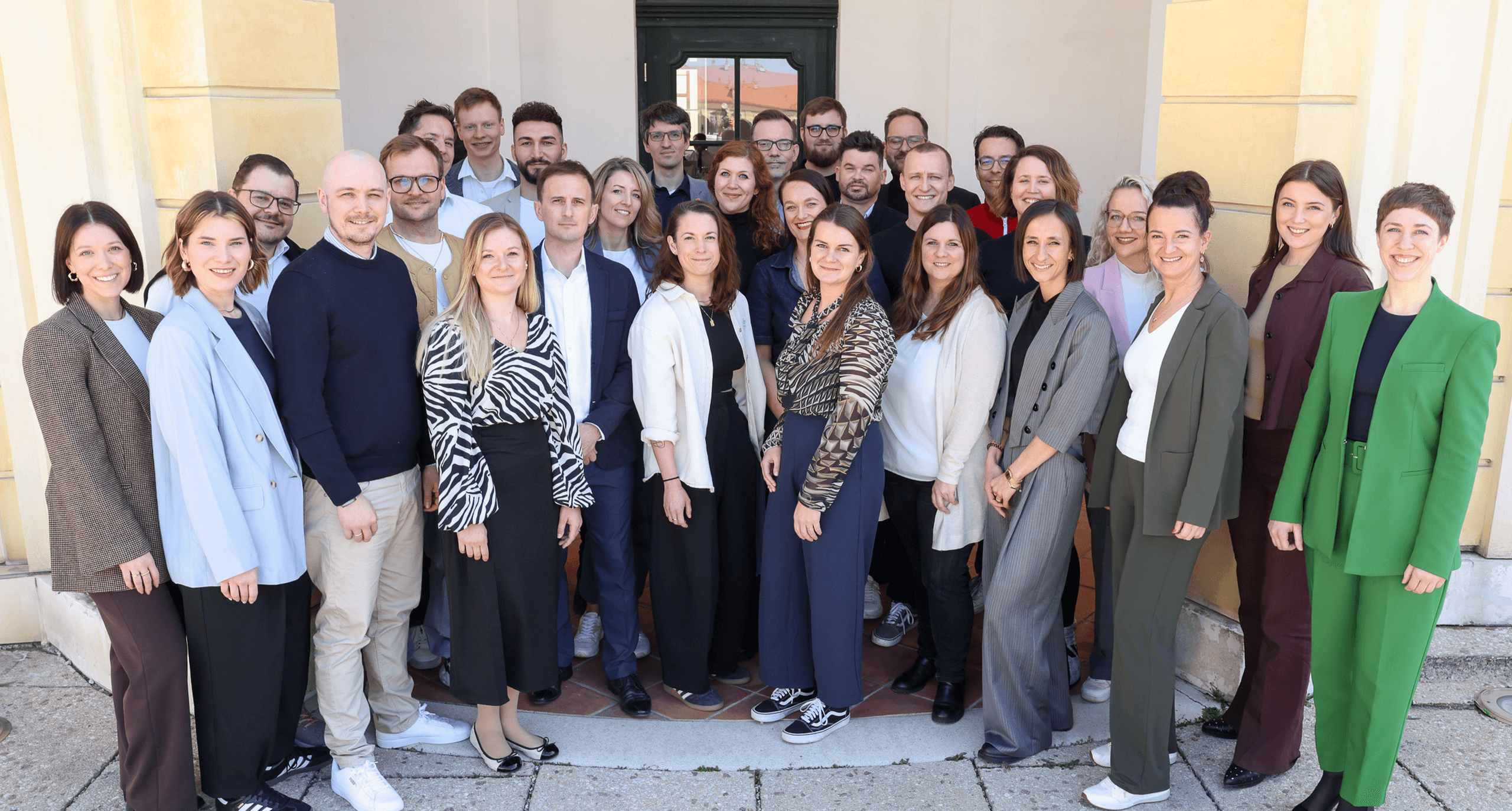
Photo credit: Katharina Schiffl
Data-driven decisions are better for business – but only if the data is accurately collected and interpreted. The particular challenge: the data landscape is becoming increasingly fragmented. Those who want to gain insights across multiple advertising channels must not rely on a single source of truth.
This is a possible conclusion of the 14th Google Analytics Conference, which took place for the 14th time in Vienna on April 3rd – organized by the digital agency e-dialog. In the Apothekertrakt of Schönbrunn Palace, international experts from companies such as Google, Usercentrics, and e-dialog discussed the key topics of Analytics, Measurement, and Tracking on two stages.
In his opening keynote, Stefano Menti, Senior Product Manager at Google in the USA, explained how Google Analytics 4 will deliver even more insights across the full customer journey with the help of AI in the future. Eric St. Gemme, Head of Data & Measurement Retail at Google, called on companies in his closing keynote to embed learning from data directly into their goals.
In a business panel, Markus Huber from refurbed, Cécile Felicitas Virnich from Messe Düsseldorf, and Emre Utma from BFI Vienna discussed the importance of directly collected data, i.e., first-party data, for measuring success today.
Key insights from the conference:
Those who measure, win: Many companies do not fully exploit their potential in success measurement and data utilization. Studies show that companies with a good measurement setup grow faster. Support for a solid data strategy from top management is crucial.
The “Single Source of Truth” is obsolete: The data landscape is becoming increasingly fragmented, and no single platform provides the whole truth. Marketing Mix Models (MMMs) are making a comeback as a statistical method for measuring success. Click-based attribution remains relevant, especially with AI-powered modeling. An intelligent interpretation of the MMM – Attribution – Experiment triangle is a better path to data truth.
Closing data gaps: Standard tools with factory settings leave potential untapped. With technical and strategic expertise, gaps in the customer journey can be closed in a GDPR-compliant manner. Linking first-party data with other sources enables better conversion measurement.
User experience is crucial: Measurability alone is not enough if the user experience on the company’s platforms is impaired. Accessibility, data protection, and AI-generated personalized content play an important role.
While overview topics for decision-makers in marketing were presented in the large hall of the Apothekertrakt, deep dives into tools such as Google Analytics, Google Tag Manager, and Google Ads took place in a smaller hall. After the conference, over 200 participants met for networking in the palace garden in excellent weather.