Predictive Server-Side Enrichment: Better Signals for Ads

Management Summary
Image: AI-generated
How do tracking events become valuable signals for Google Ads and Meta? Predictive Server-Side Enrichment supplements them in sGTM with ML predictions in real time. In this article, we’ll explain how it works and how your marketing can benefit from it.
What is Predictive Server-Side Enrichment?
Google Ads and Meta optimize bids based on the signals they receive. The sooner a signal indicates the value of a lead, the better the algorithms perform. Traditional server-side tagging typically only forwards events.
Predictive server-side enrichment takes it a step further. A machine learning (ML) model evaluates relevant events in real time. Server-side Google Tag Manager (sGTM) attaches the forecast before sending the data. Typical forecast values include:
- Probability of Purchase: How likely is it that a session will result in a purchase?
- Predicted Customer Lifetime Value (pLTV): How much revenue are new customers expected to generate in the first year?
- Lead Quality: What is the likelihood of closing a lead in B2B sales?
This way, ad networks receive not only the event itself, but also a predicted conversion value in real time. This provides the ideal foundation for value-based bidding —especially when the actual value isn’t determined until weeks later.
Why isn’t the sGTM sufficient on its own for machine learning?
The sGTM runs custom templates in a sandbox. There, a restricted version of JavaScript with approved APIs is executed. External libraries such as TensorFlow or scikit-learn cannot be loaded. This restriction protects the container and keeps it fast.
For forecasting, therefore, a decoupled architecture is required. The ML model runs as a standalone microservice on GCP. The sGTM calls this service via an API (Application Programming Interface). The foundation is a properly set up server-side tracking system.
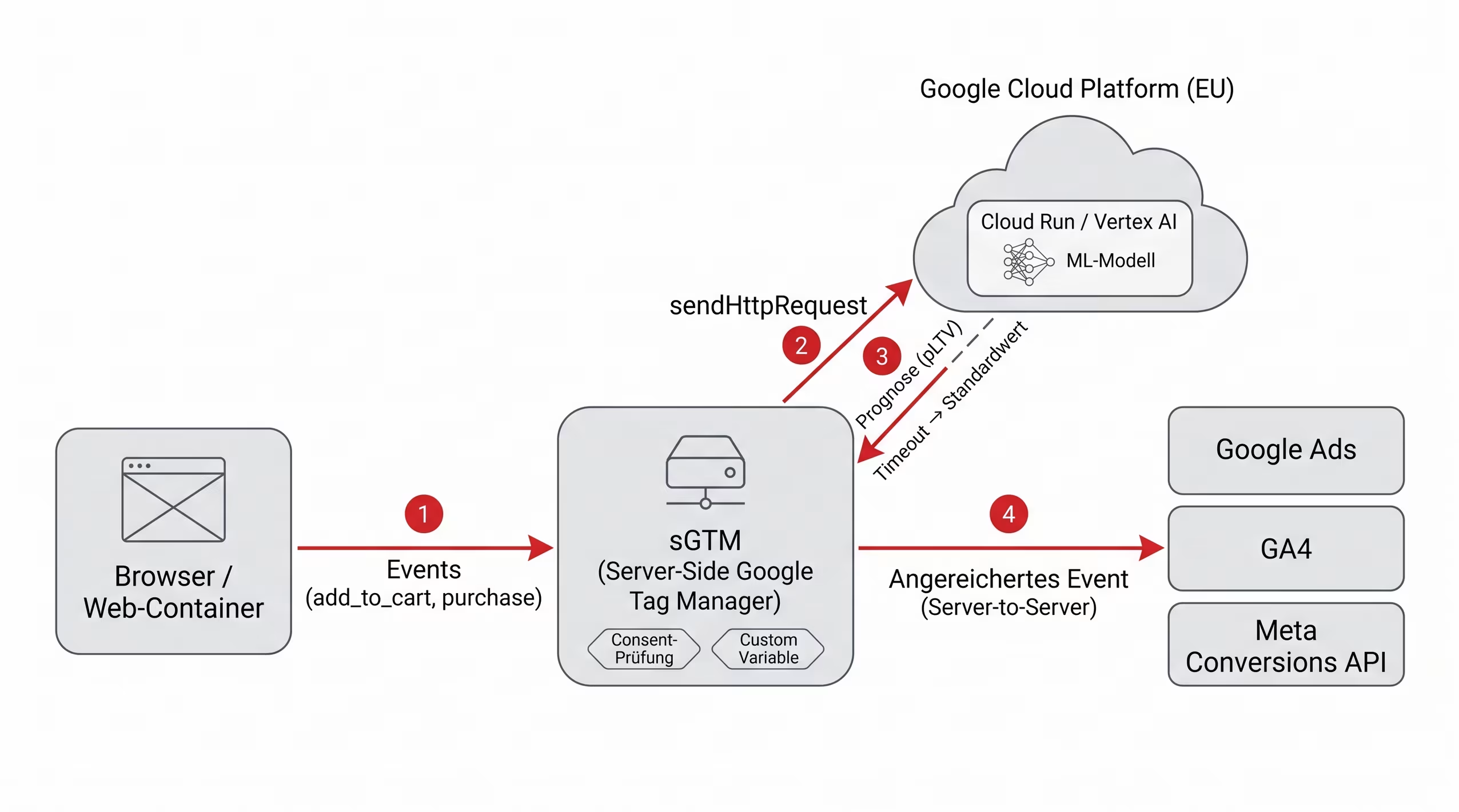
Figure 1: Data Flow in Predictive Server-Side Enrichment, Source: e-dialog
How does predictive server-side enrichment work from a technical standpoint?
The process consists of four steps (Figure 1):
-
01
Collecting Data in the Browser
The web container collects behavioral data such as product views, scroll depth, and shopping cart value. It sends this data in batches to the sGTM.
-
02
Retrieve a model from the sGTM
When events such as `add_to_cart` or `purchase` occur, a custom variable initiates a request. It uses the native `sendHttpRequest` API to do so. Only the attributes required by the model are passed.
-
03
Calculate a forecast in GCP
A service such as Google Cloud Run or a Gemini Enterprise Agent Platform endpoint receives the request. A pre-trained model uses this information to calculate a score, such as a probability of purchase or a pLTV in euros.
-
04
Enhance and forward the event:
An “Augment event” transformation writes the score to the event data. The tags for Google Ads, GA4, or the Meta Conversions API retrieve the value. The data is transferred directly from server to server.
Where does the data for the ML model come from?
A model learns from past behavior and your own first-party data. The best foundation is the GA4 BigQuery export at the raw data level. It provides events at the raw data level. Combined with CRM data, this creates an accurate picture of real customer value. Training takes place, for example, in BigQuery ML or the Gemini Enterprise Agent Platform.
Regular retraining keeps the model up to date. Seasonal effects or new product lines constantly change purchasing behavior. Monitoring therefore compares forecasts with actual sales.
Latency and Reliability: Why Every Millisecond Counts
Speed is critical in this setup. Every request to the model extends the processing time in sGTM. The custom variable operates asynchronously and returns a Promise. sGTM waits for the response before the tags fire. This ensures that Google Ads and Meta always receive the enriched event.
Four key points ensure optimal performance:
- Short inference time: The model responds in well under 100 milliseconds. Lean models and a cloud region close to the sGTM help achieve this.
-
Fixed timeout: `sendHttpRequest` allows a timeout in milliseconds. If the service responds too late, a default value takes effect. The event then proceeds without delay.
- No cold starts: A minimum number of active instances in Cloud Run keeps the service continuously available.
- Caching: Using `templateDataStorage`, sGTM temporarily caches recurring results. This reduces the number of requests and lowers costs.
This means that every millisecond counts in predictive server-side enrichment. Only a fast prediction becomes a valuable signal.
How does predictive server-side enrichment remain GDPR-compliant?
Server-side tracking does not replace consent. Even enriched events are only sent to ad networks with valid consent. The consent status from the CMP (Consent Management Platform) is therefore passed to the sGTM with every event. The following principles apply to a setup that complies with the GDPR (General Data Protection Regulation):
- Data minimization: The model receives only pseudonymous behavioral characteristics. Names or email addresses are not required for this purpose.
- EU Hosting: Cloud Run and the Gemini Enterprise Agent Platform run in an EU region, such as Frankfurt (europe-west3).
- Consent Check: Model queries and ad tags are triggered only if consent has been given.
- Transparency: The privacy policy and record of processing activities describe the prediction as profiling.
The final assessment is conducted in collaboration with the company’s data protection advisory team.
Who benefits from predicted customer value in Ads?
The greatest benefit goes to companies where true customer value becomes apparent only later on. These include:
- E-commerce with a high repurchase rate, such as drugstores, pet supplies, or groceries
- Subscription models and SaaS providers with trial periods
- B2B companies with long sales cycles
These companies submit the pLTV directly to Google Ads or Meta during the event. The Meta Conversions API even provides a dedicated field (predicted_ltv) for this purpose. With value-based bidding, the algorithms optimize for long-term customer value rather than just the first shopping cart. The goal: less wasted reach and a higher ROAS (return on ad spend).
When is it worth getting started with value-based bidding using forecasts?
Predictive server-side enrichment is built on a solid foundation. It’s the right time to get started when these prerequisites are met:
-
01
A productive sGTM with proper consent handling is already up and running.
-
02
There are enough historical conversions available for training.
-
03
Value-based bidding strategies, such as “Target ROAS,” are active or planned.
Ideally, you should start with a test. A separate conversion campaign using forecast values runs in parallel with the existing measurement. This allows you to see the effect while keeping the ongoing optimization stable.
Conclusion: Use first-party data intelligently instead of just passing it along
Predictive server-side enrichment turns the sGTM into more than just a data router. The sGTM remains the secure tagging environment. The Google Cloud Platform provides the computing power for predictions. Together, they send early, value-based signals to Google Ads and Meta.
In our view, the effort is particularly worthwhile for accounts with value-based bidding strategies and sufficient data volume. For smaller setups, robust server-side tracking with Enhanced Conversions offers greater benefits initially.