
NOW Social Media 2026: Myths About Social Media and Influencer Marketing
At the JETZT Social Media conference on May 5 and 6, 2026, in Vienna, social media experts gathered to discuss current strategies, social commerce, and influencer marketing. A diverse kaleidoscope of best practices and valuable insights for brands and agencies.

Our Paid Social Lead, Verena Müllner, moderated a fantastic panel discussion on the second day of the JETZT Social Media conference in Vienna. Together with her panel guests—Anna Turner, Armin Rogl, Markus Zimmer, Vivienne Hödl, and Peter Rosenkranz—she debunked the most persistent myths surrounding social media and influencer marketing. It was a discussion full of insights, controversies, and some real “eye-openers”—from the lack of credibility in influencer marketing to the realization that the hype surrounding social shopping in Austria is greatly exaggerated. A huge thank you to the panel of speakers for the open discussion and to Maximilian Mondel for the invitation!
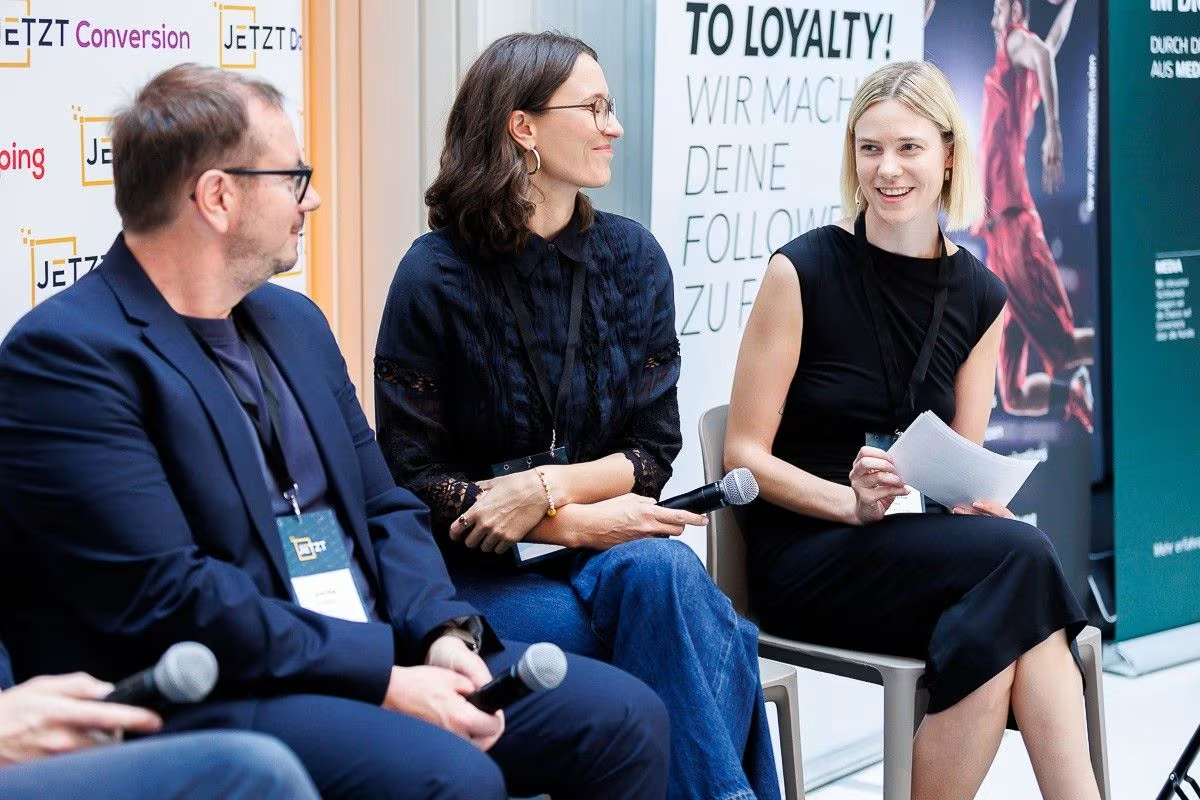
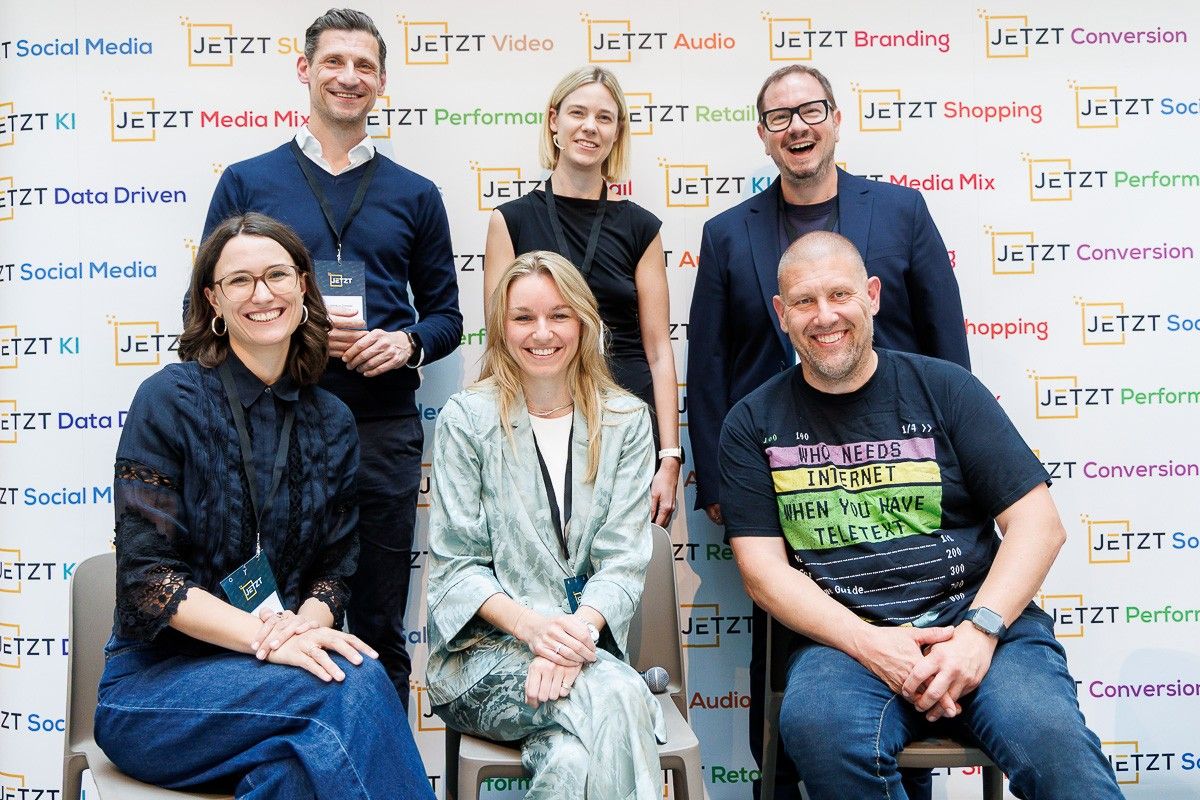
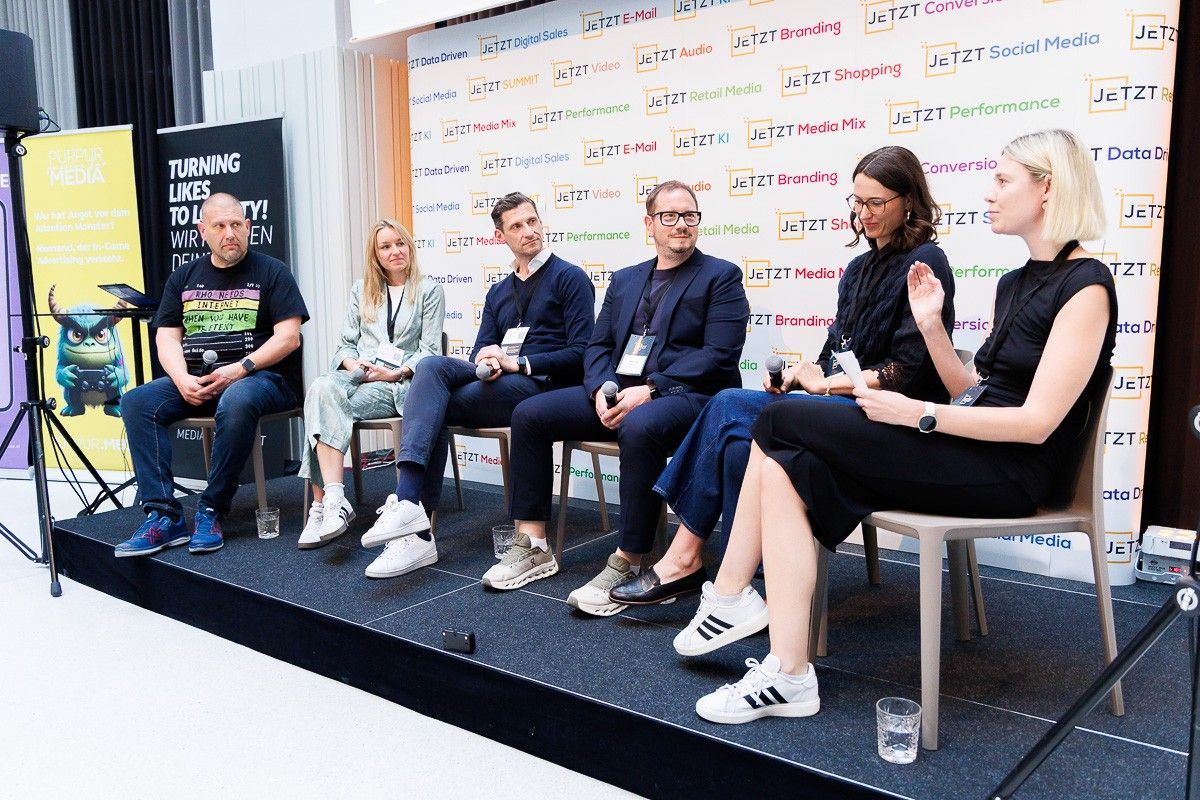
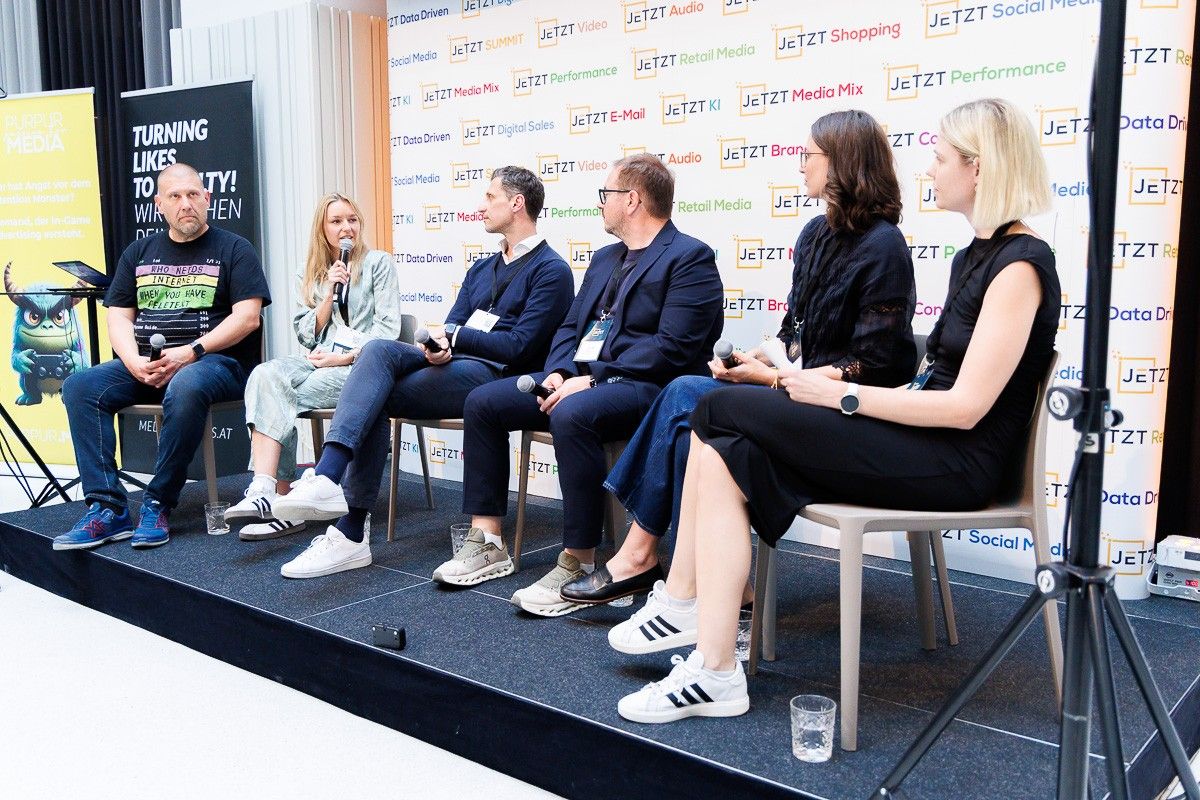
Photo credit: Elisabeth Kessler/MOMENTUM Vienna
Panel Discussion: The Most Persistent Myths Surrounding Social Media and Influencer Marketing
The discussion, moderated by Verena Müllner, focused on four key insights:
First, B2B doesn’t just happen on LinkedIn. Even though there’s often still skepticism in practice, you can definitely reach CEOs today with a creative TikTok video. There’s still a lot of work to be done to convince executives of this!
Second, hashtags are a relic of the past. What used to be a science in its own right is now almost negligible, since the algorithm has long since rendered traditional hashtag research obsolete.
Third, we’re experiencing a real credibility crisis. A clear wake-up call came when the audience was asked about the credibility of influencers compared to traditional advertising: Hardly anyone considers them truly credible. Many brands still don’t pay enough attention to genuine brand fit. Those who focus solely on reach rather than authenticity lose the trust of their target audience.
Fourth, social shopping remains a major cause for concern in Europe. The hype won’t take off in Europe—and certainly not in Austria—the way it has in Asia. As a market, we simply operate differently. It will likely remain a niche topic for individual brands, while the rest will continue to rely on clever influencer marketing—which the panel even jokingly equated with modern teleshopping.