BFI Vienna: Record Revenue Thanks to a Data-Driven Budget Shift
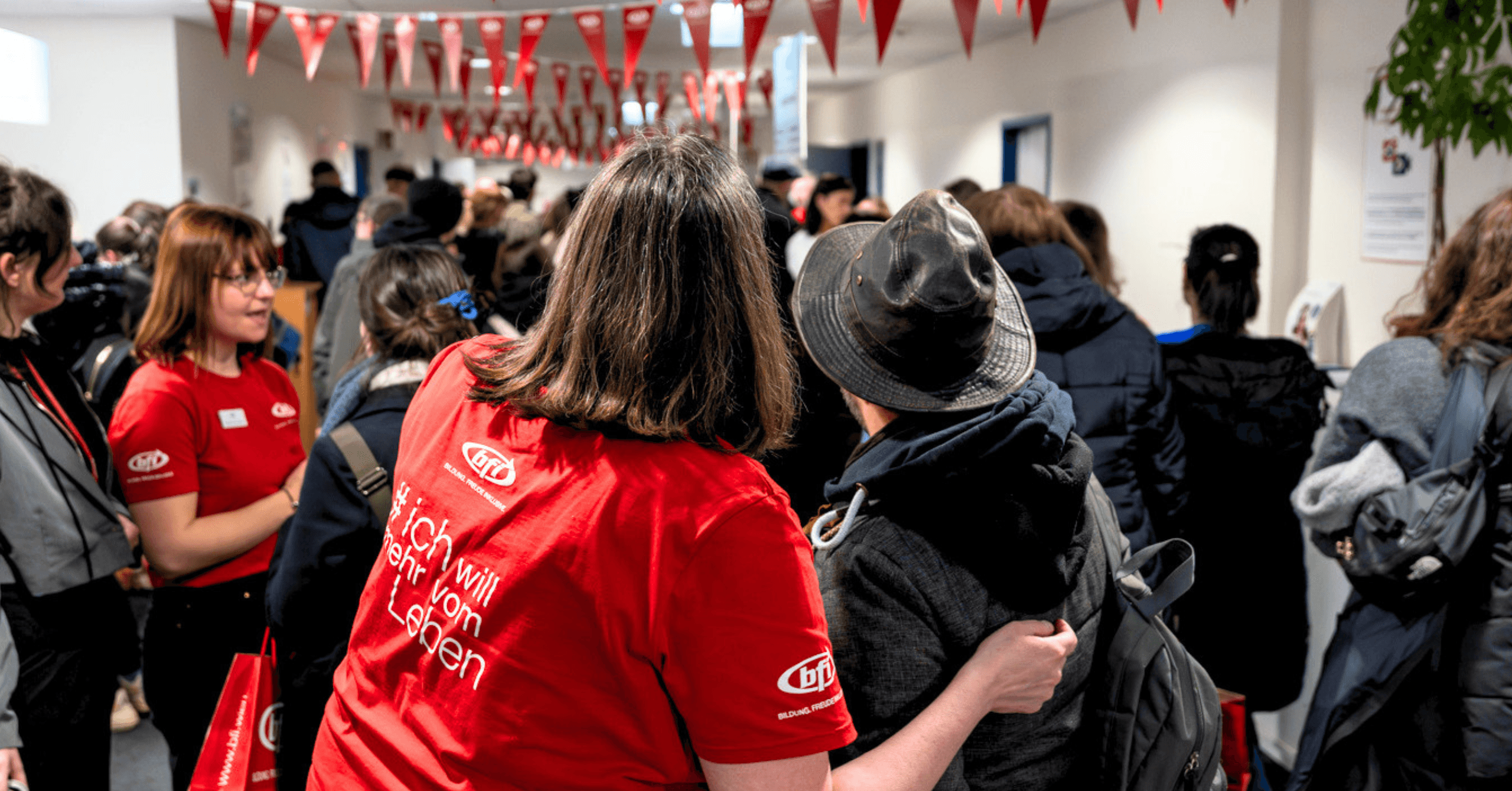
Image: BFI Vienna
In brief:
BFI Vienna faced the challenge of generating more qualified leads for its continuing education event while maintaining the same budget. Through a forensic regression analysis and a consistent budget shift toward high-performing channels such as display and YouTube, wasted reach was eliminated. The result: The cost per qualified website visit dropped by 48%, while revenue—excluding trade show discounts—rose by an outstanding 60%.
Challenge
The primary goal of the campaign was to maximize the financial success of the BFI Continuing Education Day and exceed the ambitious benchmarks set by the record-breaking previous year—all while operating within a strictly capped overall budget. The biggest challenge was to precisely target a very niche audience in a highly competitive market. The goal was to consistently minimize wasted reach and highly efficiently convert the generated digital traffic into actual on-site visitors and concrete course bookings. Instead of relying on superficial clicks (vanity metrics), the focus should be on the actual quality and duration of website visits.

Instead of allocating the advertising budget based on gut feeling, we let the numbers speak for themselves. Thanks to regression analysis, we knew exactly which channels delivered real results. This allowed us to invest BFI Wien’s budget precisely where it would have the greatest impact on the trade show day—a true partnership for measurable success.
Measures
To dramatically increase the campaign’s efficiency, we relied on a holistic, data-driven master plan. This was based on a forensic regression analysis covering a 20-month period. This mathematical analysis revealed how the individual channels interacted and identified inefficiencies in the existing marketing mix. This led to a radical budget shift: funds were withdrawn from low-impact channels and instead invested in proven high-performing channels such as display and YouTube.
In addition, we used AI-powered targeting based on first-party data and custom affinities. To further increase the likelihood of conversion, we tested and optimized the ad creatives using A/B testing. The entire campaign logic was optimized in real time based on a key qualitative metric: cost per 30-second visit (cost per 30 seconds spent on the website).


Results
The consistent, data-driven strategy paid off across the board and shattered historical benchmarks while maintaining the same budget. Thanks to budget reallocation and real-time optimization, the cost per high-quality website visit (CP30s) dropped by 48 percent, and the cost per page view fell by as much as 39 percent. At the same time, the display CTR quadrupled from 0.14% to 0.65%, and the YouTube ads achieved an excellent completion rate of 92% (up from 31%).
Targeted digital advertising had its full impact at the point of sale: The training day set a new record for on-site attendance. The outstanding 60 percent increase in revenue from course bookings with trade show discounts demonstrates the direct, measurable economic success of this performance master plan.
- % Revenue Growth through a knife discount
- % Cost per 30-Second Visit (Qualitative Website Visits)
- % YouTube Completion Rate (up from 31%)
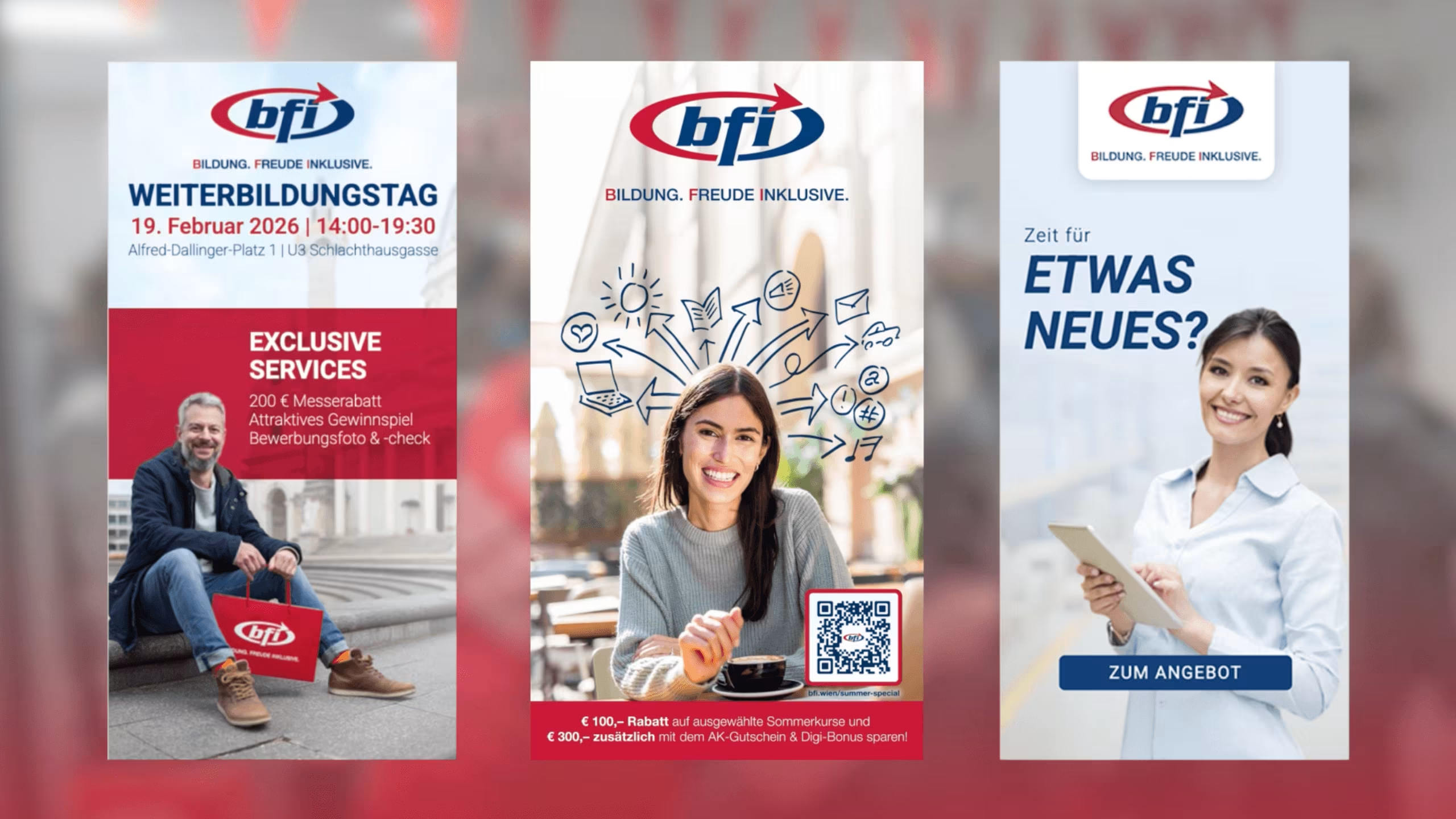
Image: Examples of optimized and tested promotional materials for the BFI Vienna campaigns, Source: e-dialog