PCon 2026: How AI, Content Scaling, and New Platform Trends Are Transforming Marketing
The eleventh edition of e-dialog’s trade conference showcased practical strategies for modern customer journeys and efficient campaign workflows.
Yesterday, the marketing industry gathered for the eleventh time at PCon in Vienna. Spanning two tracks, the conference explored the extent to which the digital customer journey is changing, the direction in which major platforms are evolving, and the role generative AI will play in content and creation in the future. The event took place at Wolke 19, high above the city’s rooftops.
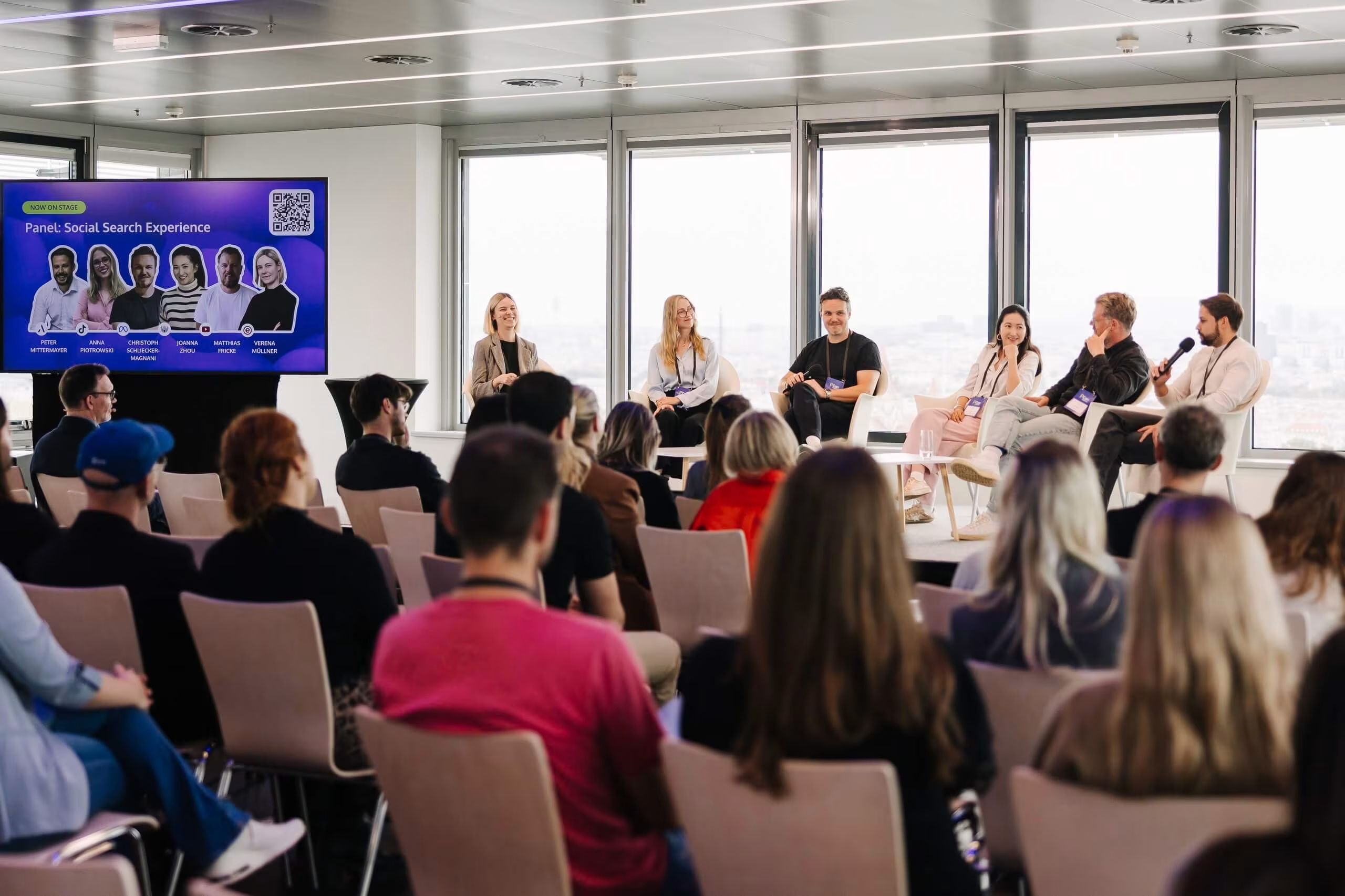
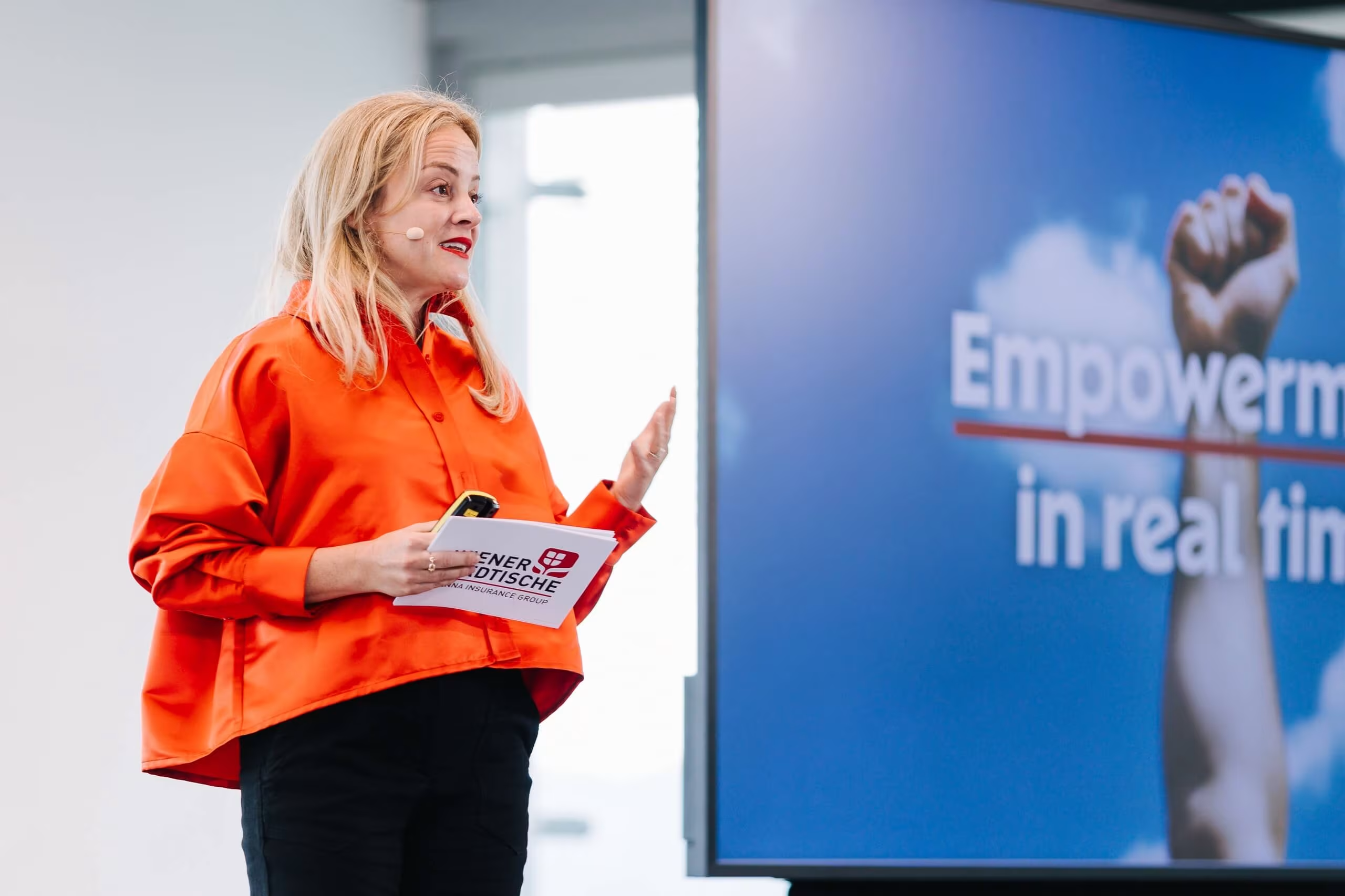
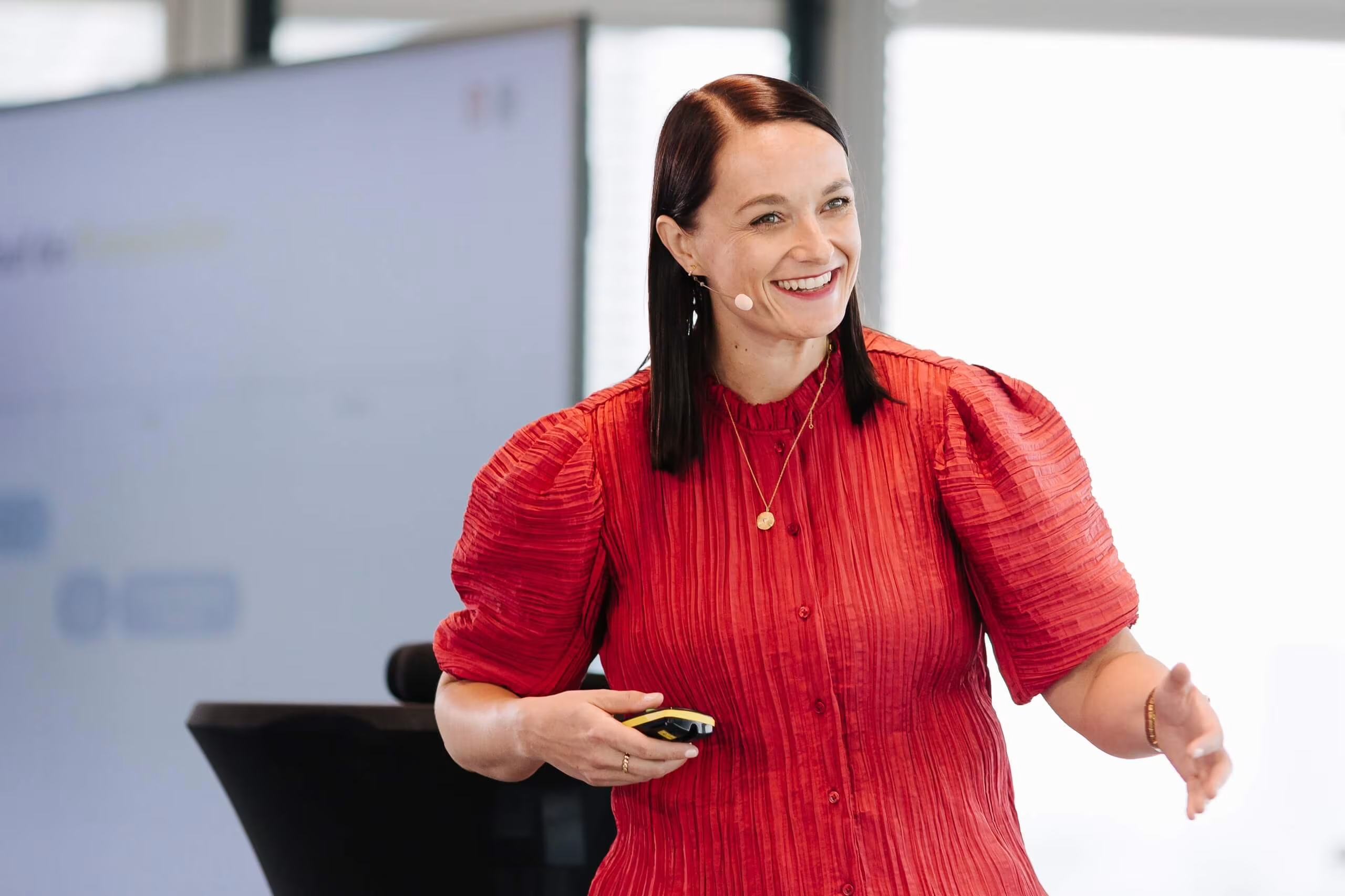

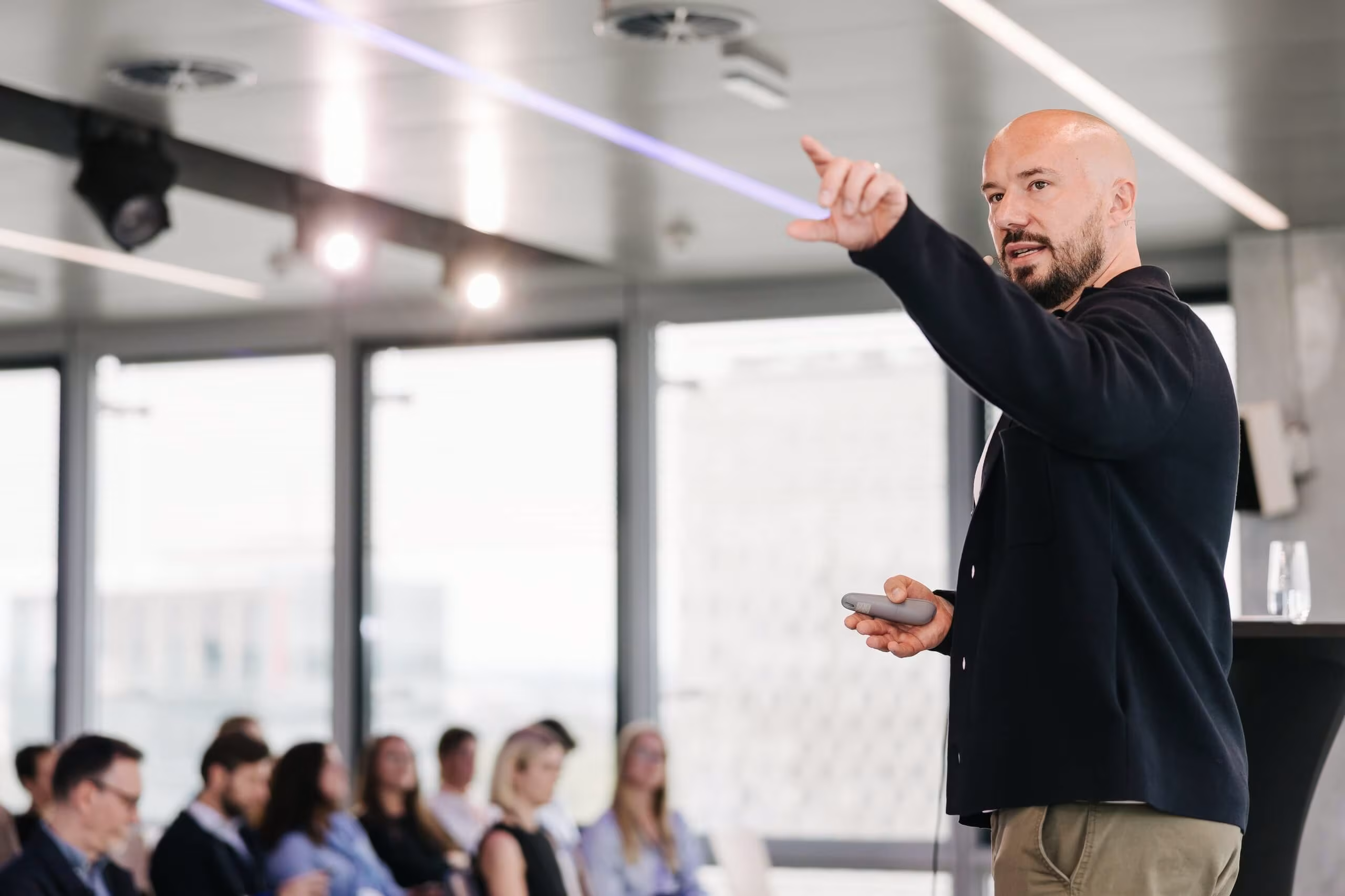
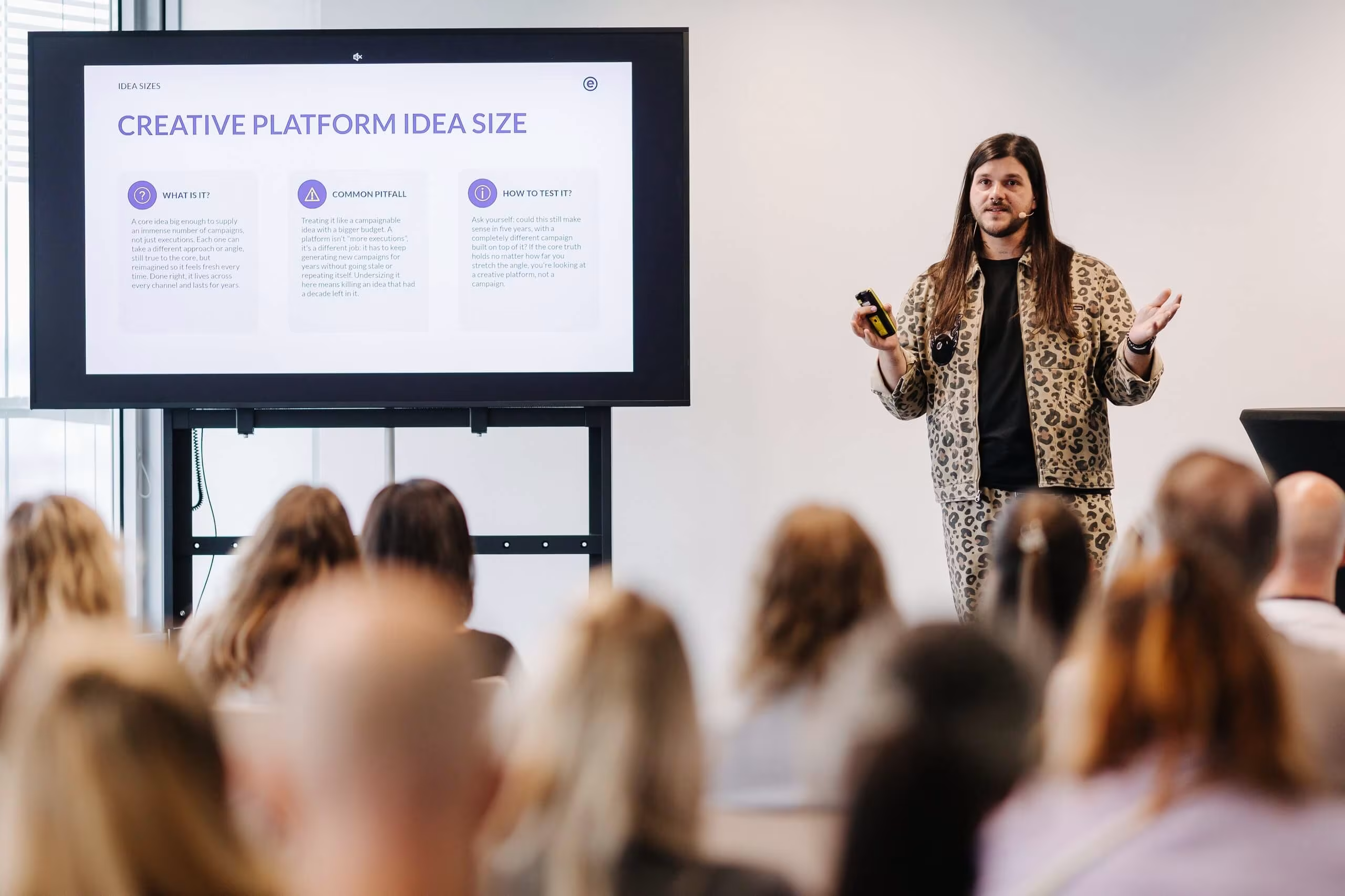
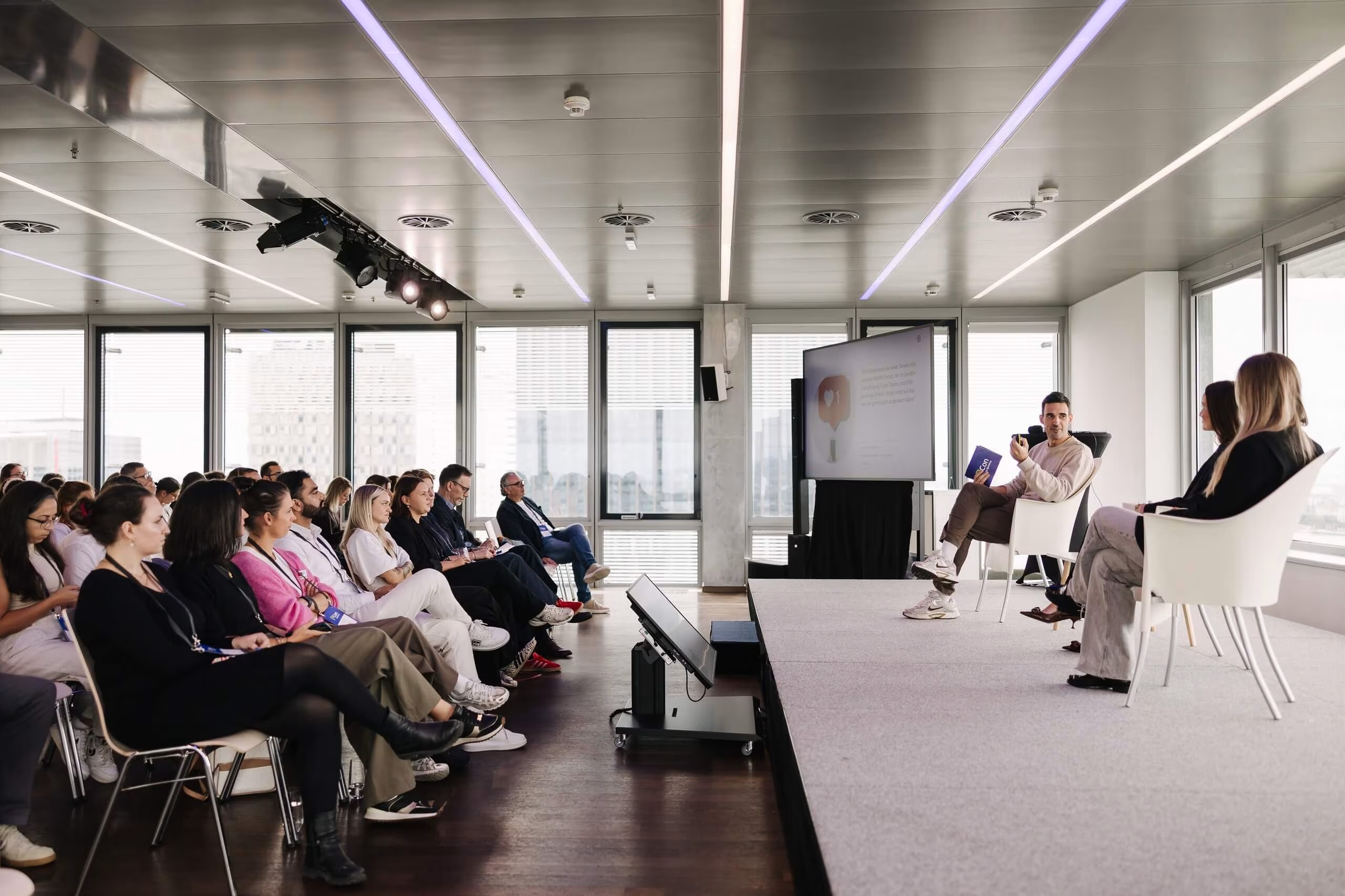
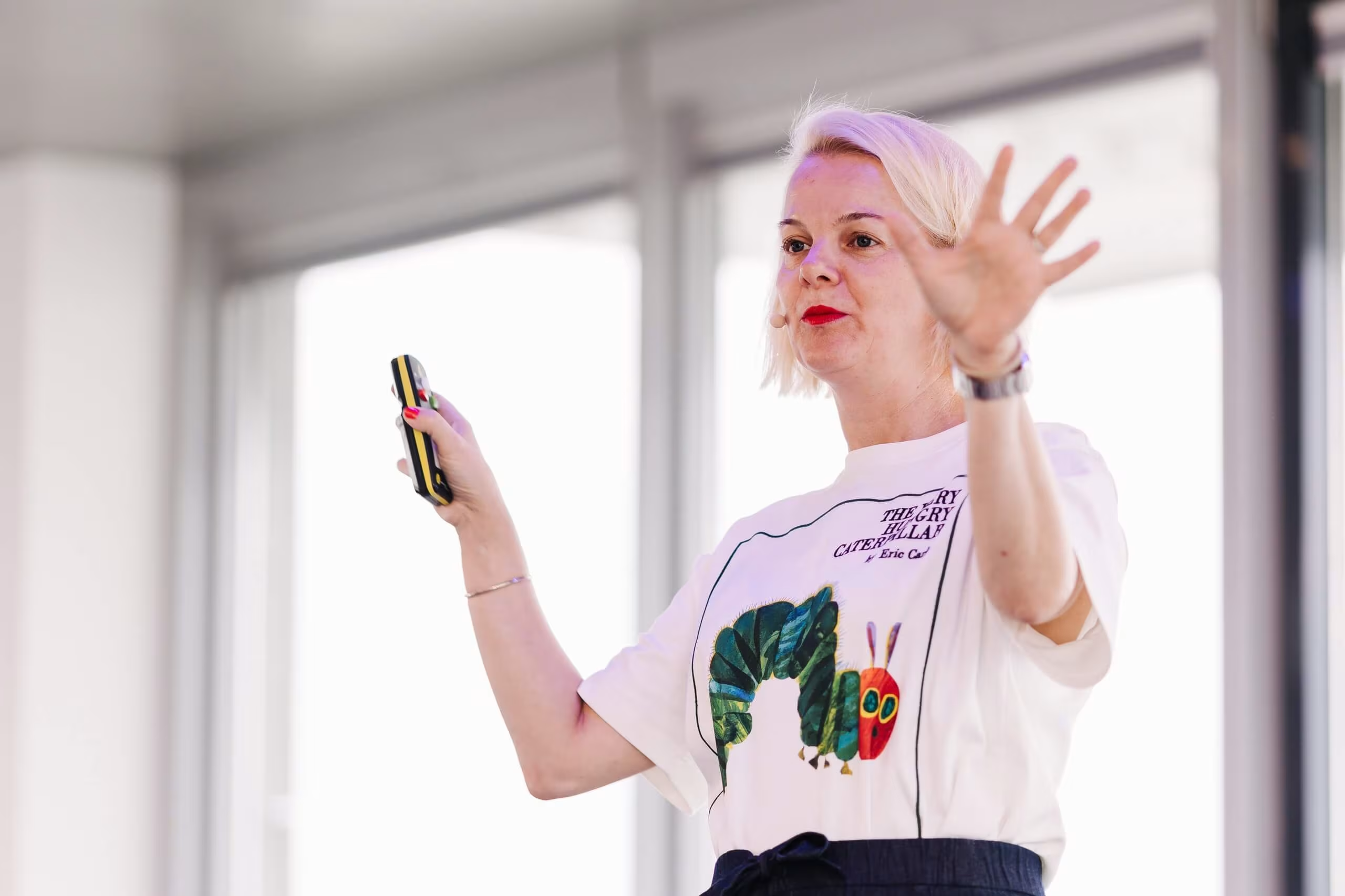
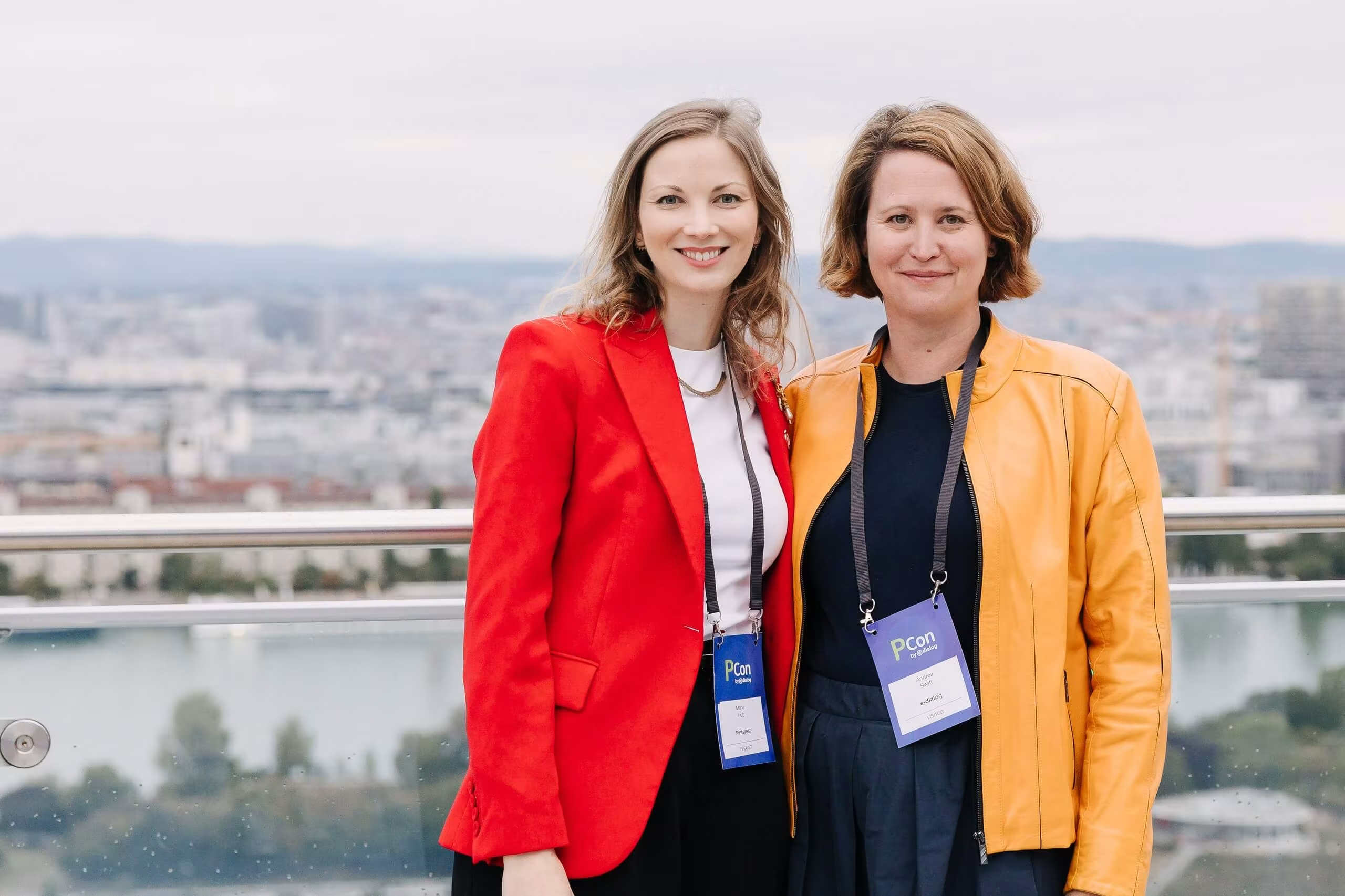
Photo credit: Jennifer Fetz
A Call for an Alternative
The program was kicked off by Anna Zeiter, CEO and co-founder of the W Social platform, who presented a European alternative to X. “We need a platform where Europeans can talk about Europe. At the same time, we must give quality journalism the space it deserves,” Zeiter urged in her keynote address.
Presentations by Pinterest, Meta, and YouTube highlighted the different approaches taken by the major platforms and their implications for modern marketing strategies. Julius Schwaar and Daniel Pietrowski traced the evolution of Switzerland Tourism’s YouTube presence from a simple video repository to an entertainment hub. Andreas Rau from Meta demonstrated how smart messaging strategies using WhatsApp can turn critical moments into positive brand experiences. Maria Lieb from Pinterest explained how the platform’s Taste Graph caters to users’ tastes, encourages them to linger, and increases the depth of their engagement with content.
More Content Means More
The crucial role that content plays—not only in social media but also in e-commerce—was a central theme throughout the day. Marketers face the challenge of providing content at a high frequency and with a wide variety—whether for organic channels, advertising materials, or product detail pages in the online store. On the two stages at PCon, experts presented practical solutions for how companies can overcome this challenge despite stagnant budgets. Collaborating with content creators such as PCon panelist Joanna Zhou offers one path forward, as does establishing an agile in-house content production team, as presented by David Theni and Eugen Smolski from Viralhouse.
Generative AI as a Solution
The conference program also highlighted that more and more companies are turning to generative AI for image and video content. Stephanie Karch from Google provided an overview of what tools like Nano Banana and Veo are already capable of. Dominic Herr from e-dialog and Christel Robben demonstrated how such models can be integrated into an agent-based campaign workflow using the edify framework.
Two real-world examples presented on stage demonstrated that AI-generated assets can meet the high quality standards required in brand marketing. Fabian Büchler from the Swiss e-commerce platform brack.ch explained how to scale a product catalog with over 300,000 items: A custom AI tool from e-dialog makes it possible to enhance thousands of product pages with attractive images and increase the likelihood of a purchase.
Successful practical test
At the conclusion of the conference, Valerie Brugger (Wiener Städtische) and Maria Holzinger (e-dialog) presented an innovative model for rapid campaign development: In a three-day promptathon, brand managers, creatives and AI experts developed all advertising materials for a complete campaign on site – from the initial briefing to the finished assets.
Andrea Swift, CEO of e-dialog, offers a positive assessment: “It was fantastic to see how open and constructive the dialogue was at PCon. We created a space for genuine conversations between a wide variety of industries and the major platforms. The positive feedback from participants shows us that this practical approach is the right one.”