The Metaverse 8211 To Infinity 038 Much Further
Management Summary
This article provides an introduction to the Metaverse and how companies and brands can use it in their marketing strategy.
Welcome to the Metaverse
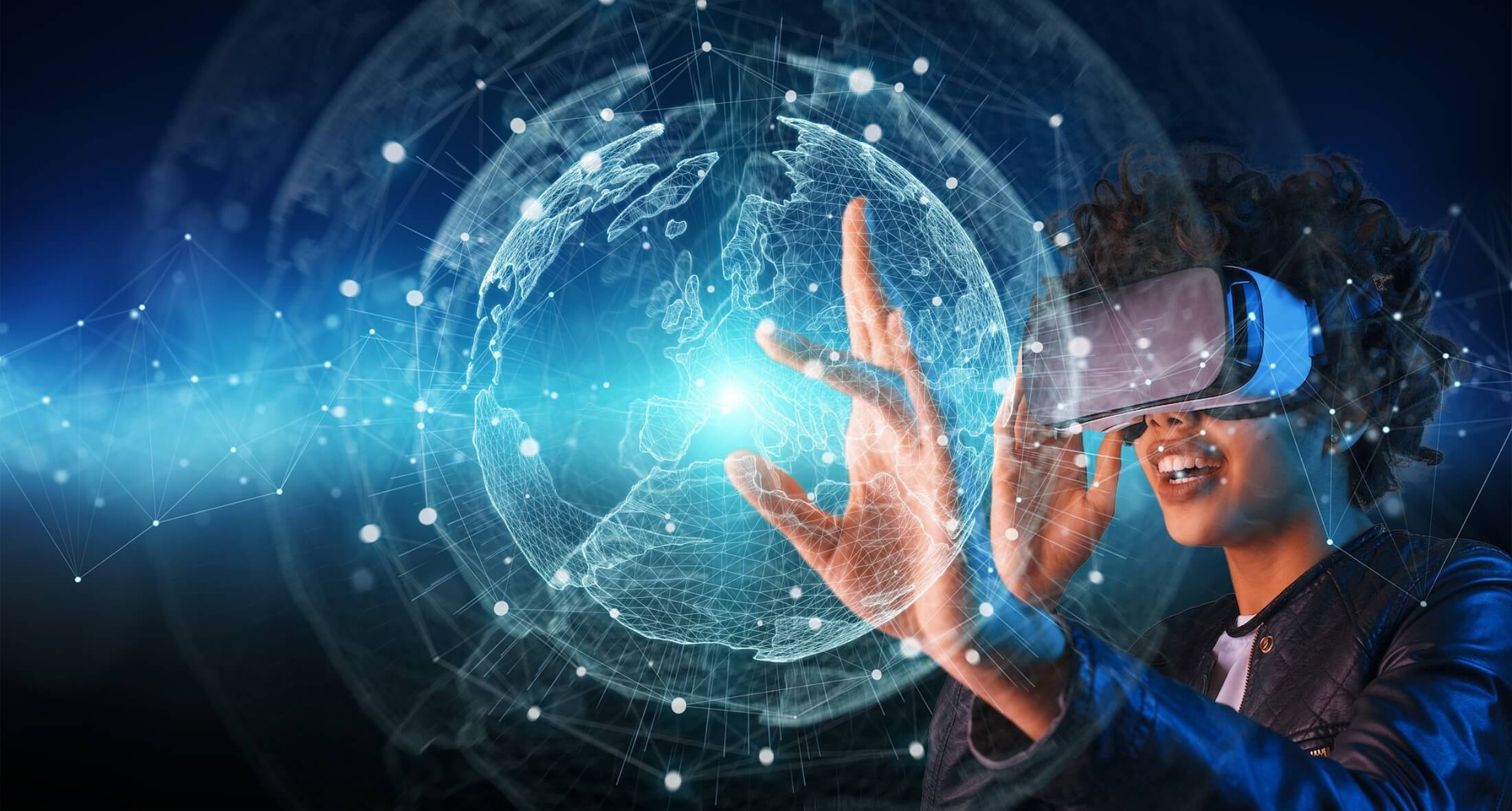
The idea behind the Metaverse is to create a virtual world in which people can interact, work, play and do business.
The concept of the metaverse has been present in the technology industry since the 1990s and has gained significant traction thanks to advances in recent years. The meeting culture in many companies has changed, especially due to home office. In 2014, Meta bought the virtual reality company Oculus VR and began working on its own virtual world. Horizon Workrooms allows users to hold virtual meetings, work together on projects and move and interact with their avatars in a virtual environment. Workrooms is an immersive way to meet with colleagues, hold brainstorming sessions or share presentations. Any free space can be used as a virtual whiteboard, which can also be shared outside of the virtual workspace. The Remote Desktop makes it possible to bring the real computer screen into Horizon or add additional screens to increase productivity.
Metaverse usage options
There are different ways to use the metaverse. The Meta platform enables this via:
Virtual reality
With the help of the Oculus VR glasses, the Metaverse can be used in different ways. Meta’s focus is on fitness, gaming, social, entertainment & Productivity.
Augmented reality
In augmented reality, experiences can be spiced up with visual effects. Meta relies heavily on AR creators who use the Meta Sparks platform to provide tools, inspiration and resources to advance augmented reality.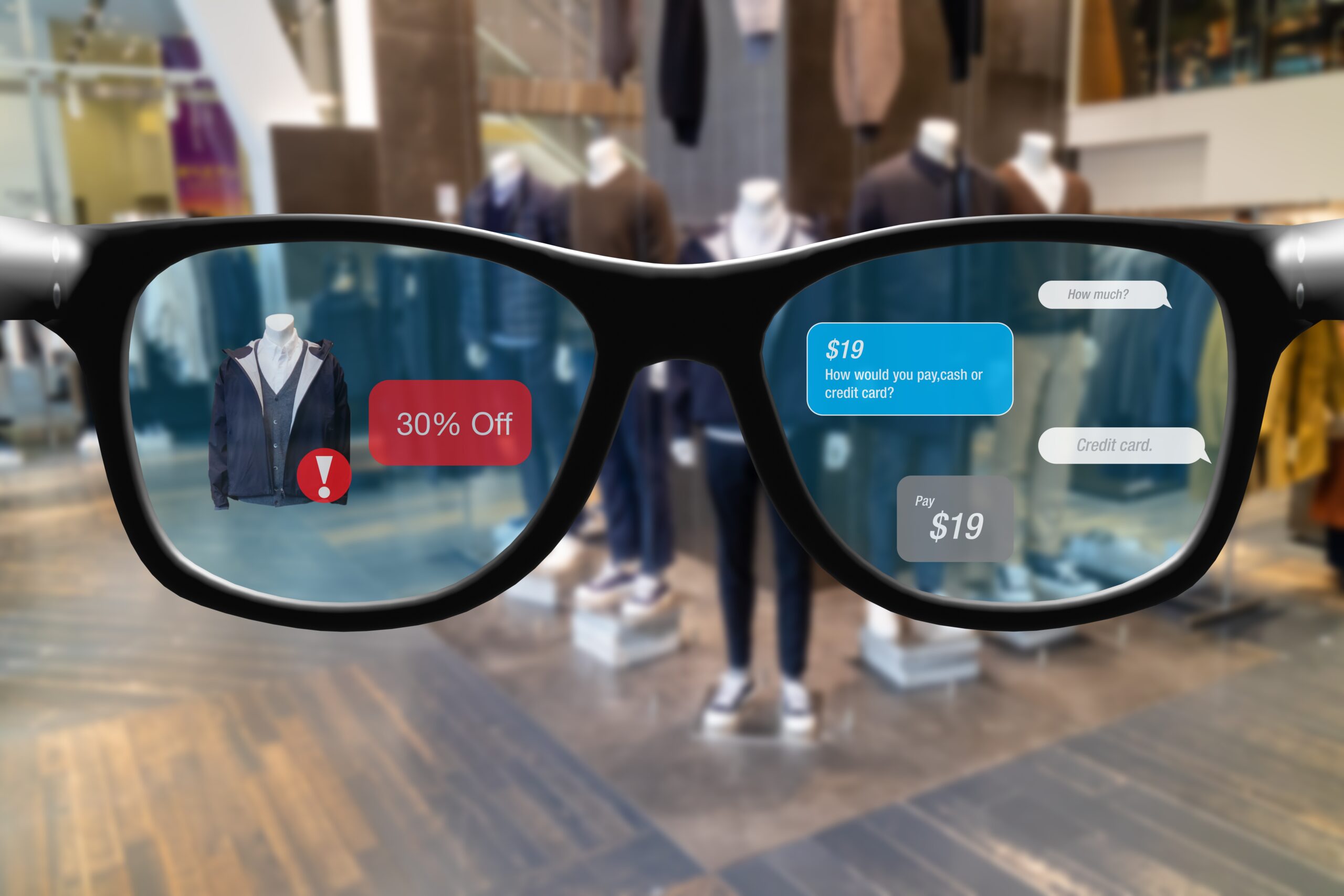
Smart glasses
This wearable technology describes the gateway to the metaverse. Video and audio recordings are enabled with simple touches and enriched with AR elements. In collaboration with Ray Ban, the first generation of smart (sun) glasses was presented.
Marketing in the Metaverse
Aside from workspaces and gaming, the metaverse has also become important for companies to promote their products and services. There are already a few options here:
- NFTs: NFT is a data unit that can exist as audio, video or photos. This file is unique and is stored on a digital ledger or blockchain. The value of NFT increases as demand increases. Large companies are already embracing this new digital reality and developing NFT collections that offer metaverse experiences.
- Interactive live events: Companies can use Massive Interactive Live Events (MILES) to bring users together in real time and virtually. During the Corona pandemic, for example, The Weekend was able to appear in front of millions of people on TikTok with the help of an avatar.
- Influencers: Influencer marketing in particular is becoming more and more important in a balanced marketing mix. This principle can also be applied in the metaverse through virtual influencers. The main advantages here are that there are no physical or technical restrictions. Due to the digitalization of the environment, brands do not have to rely on real environments. In addition, in contrast to real influencers, there is a lower risk of controversy or shitstorms due to influencers’ statements or activities that could harm the company. Brands can create their own virtual influencer and thus retain full control over their image, appearance, conveyed values, etc.
- Branding & Customer loyalty: Companies can create immersive brand experiences and showcase products or services in the Metaverse. In 2021, Nike, in collaboration with Roblox, was able to use the Metaverse to introduce new products that users could discover but also interact with other users. This allowed Nike to build a stronger bond with its customers and increase awareness of the brand
- Social media campaigns: Companies can use campaigns to increase awareness or promote products. In 2021, Coca Cola introduced “The Metaverse of Good” to users through the virtual world. They were able to take part in interactive treasure hunts or take part in virtual concerts. For each activity completed, Coca-Cola donated a certain amount to a nonprofit organization.
- E-commerce: Products can also be sold directly in the Metaverse. Gucci, together with “Roblox”, created a virtual boutique called “Gucci Garden Experience”. Customers could view products and buy them. There was also the opportunity to interact with other customers or ask the virtual staff questions.
Even though the Metaverse already shows many possible uses, there are problems andchallenges, which still stand in the way of mass use. These include, on the one hand, the high costs for users but also for companies that want to use the Metaverse in their marketing mix.
In addition, users may experience dizziness, discomfort, etc. during use. The so-called motion sickness always occurs when different sensory stimuli do not match. Although the eye perceives movements through the VR glasses, this is not confirmed by the sense of balance.
On the other hand, the technology is not yet that mature because the applications do not always work error-free and smoothly. In addition, the hardware is too large and the battery power is too weak for long use. The popularity of the Metaverse also plays an important role – although this is increasingly growing, it is still relatively low in Austria.
Conclusion:
The Metaverse already offers a variety of options for companies and brands in every respect, but is still in its infancy and still has significant pain points in terms of usability. It will be seen in the next few years whether the Metaverse will become suitable for the masses and change or even redefine the type of communication and marketing. As a marketer, it is therefore important to deal with the topic of the virtual world and discover potential.