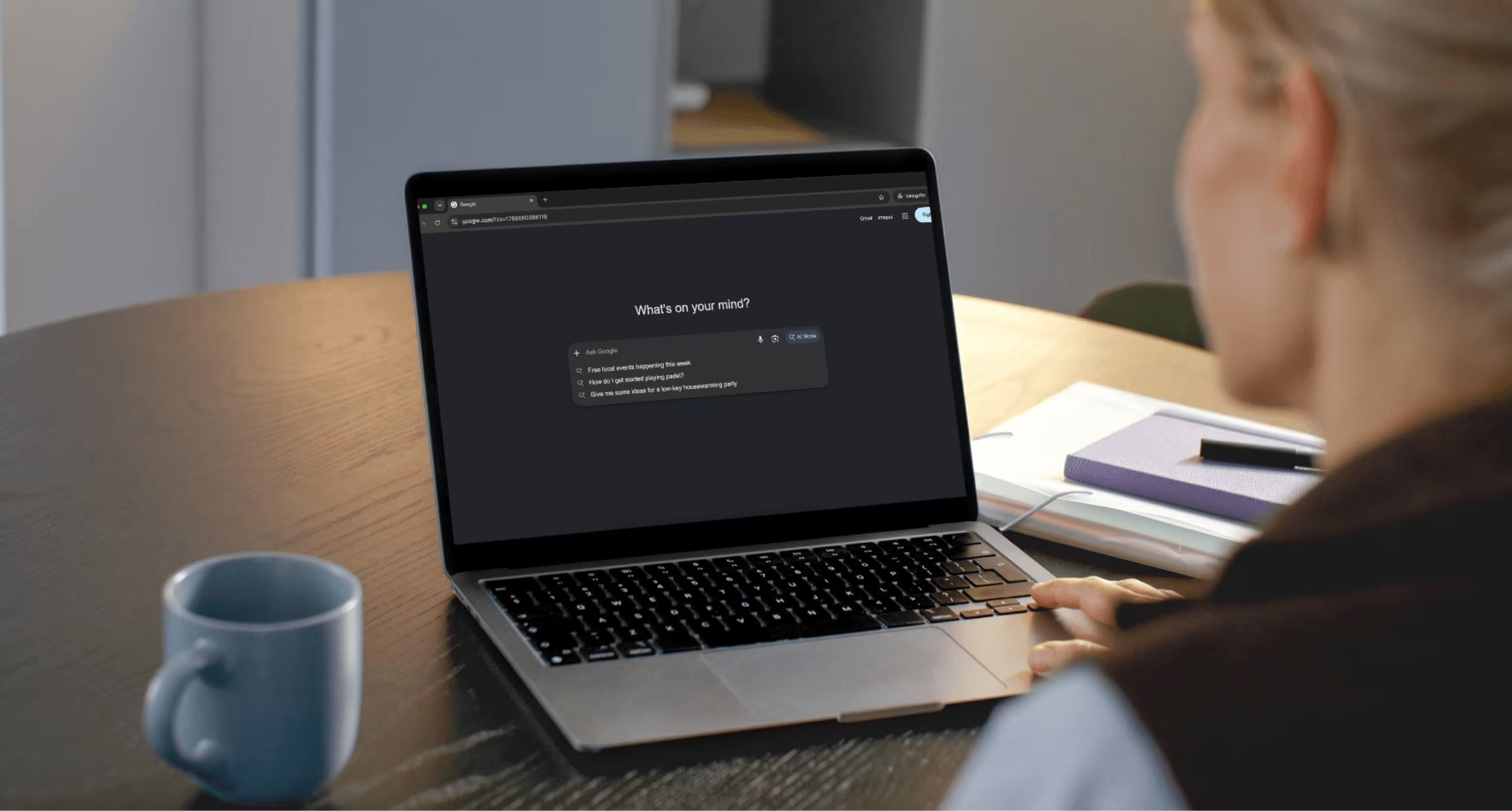
Place Advertising In Podcasts Now Also Programmatically
Management Summary
Can podcast advertising now break out of its niche? We ask one of the most successful German-speaking podcasters, Richard Hemmer.
Programmatic podcast advertising
Podcast advertising has been possible since May 2024on the Seven-One Audio networkbe booked programmatically. Audio advertising can now be planned programmatically using tools such as the Google Marketing Platform, even in a small but fine network of premium podcasts in German-speaking countries. The question arises: Why now, when other digital advertising formats have been available for years and podcasts are extremely popular as a format? And to what extent is it worth getting started with podcast advertising today?
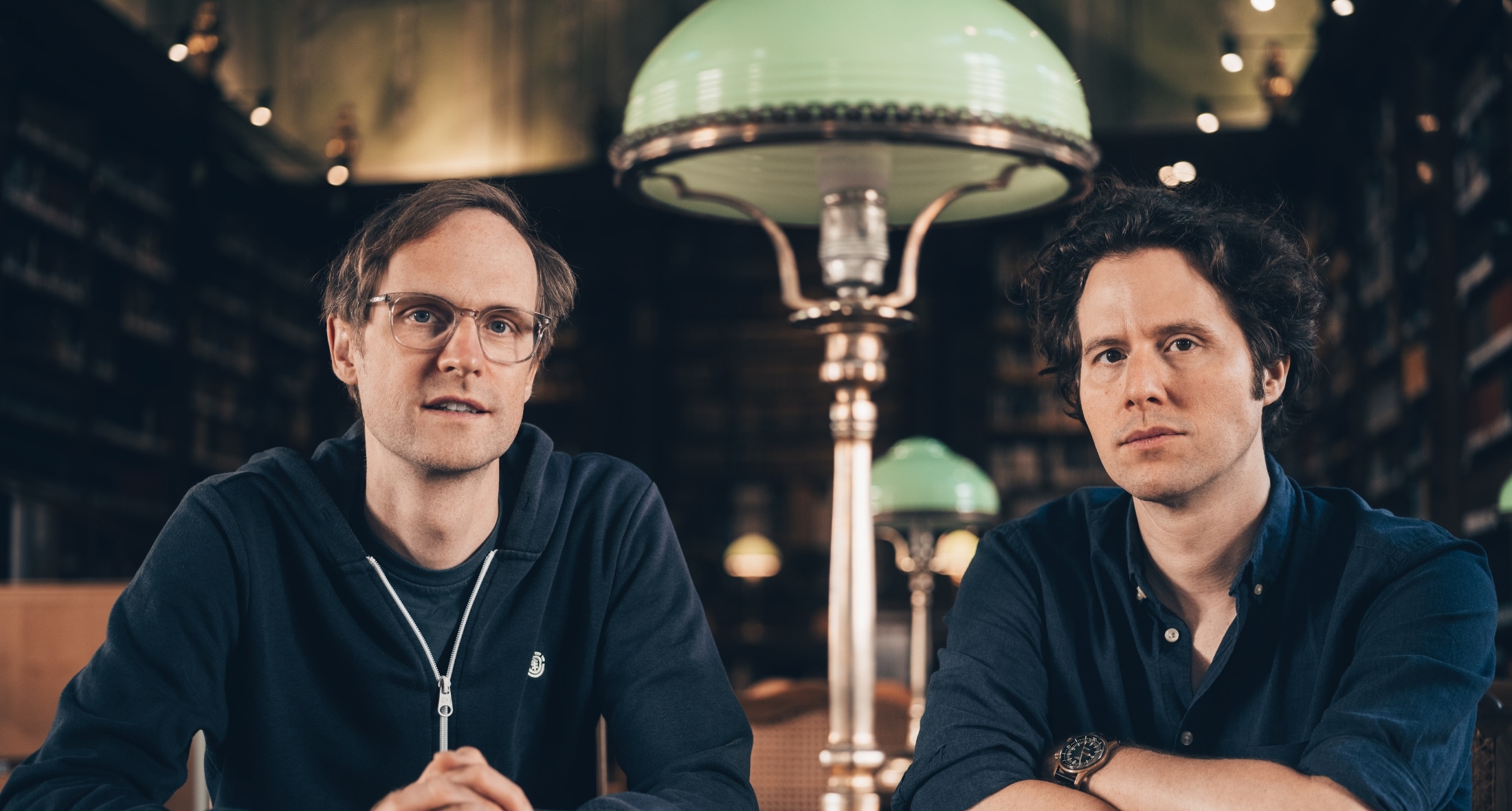
We spoke about this with one of the hosts and founders of the enormously successful knowledge podcast “Stories from History”, Richard Hemmer. Photo: Richard Hemmer, founder and host of the podcast “Stories from History”, (Photo credit: Ian Ehm)
Old format, new boom
Advertising in podcasts had significant teething problems, even though, or perhaps because, the format is older than YouTube or Spotify. The origins go back to 2000. Five years later, Apple added Podcasts as a separate category in iTunes. In 2014, the medium received a surge in popularity with the gripping documentary “Serial,” which continues to this day. At the beginning of this last wave, Spotify also jumped on the bandwagon, initially with some exclusive formats, then also as another platform for open podcasts.According to a 2023 study46% of all Germans listen to podcasts at least now and then, an impressive 2.6 hours per week on average.
2.5 million downloads per month
In this way, reach can definitely be achieved, as Richard Hemmer also confirms: “We see an average of around 2.5 million downloads per month, confirmed by the ÖAK. That means around 300,000 downloads for each new episode.” It’s not an overnight success, because Hemmer and his co-host Daniel Meßner have been producing an episode of their history podcast every week for nine years, without a break to this day and for the longest time only as a hobby. Today, however, they are regularly at the top of the knowledge podcast charts, make a living from podcasting and thus refute the theory that only established media or big names are successful in this format.
The enormously successful knowledge podcast “Stories from History” records around 2.5 million downloads per month.
Host read versus producer read
“Stories from History” are marketed by Seven-One Audio, but have so far relied exclusively on host read ads. The two moderators produce the advertising format themselves in consultation with their customers. This sponsorship approach, which is somewhat reminiscent of the origins of radio and television advertising in the USA, has long been established in for-profit podcasts. “Fundamentally, little has changed in terms of who does this advertising. They are often online products and services. The big German brands are still not included. But programmatic advertising could change that,” says Richard Hemmer. In fact, all podcast early adopters know the online mattress Casper or the web host Squarespace because these companies occupied the podcast niche early on. And even today, Hemmer’s regular customers are primarily online shops and apps.
The problem with measurability
Success can be measured, but primarily through detours such as discount codes. This is also the real reason for podcast advertising’s niche existence: for a long time it lacked the advantages of digital advertising such as easy scaling, precise targeting and the possibility of optimizing metrics such as conversion rates. There are technical and historical reasons for this. Podcasts are distributed decentrally based on a free standard, RSS. They can be accessed anonymously and from different devices and apps, which means that a user usually has several downloads for one podcast episode. For the same reason, the podcast format does not belong to any single platform, no matter how hard Apple, Spotify and Amazon have tried. This means there is a lack of reliable user data if we think across platforms.
Measure podcast reach
By collaborating with podcast advertising networks and hosting platforms likePodigeeToday there is at least a range measurement and therefore the possibility of booking this via CPM. The host automatically generates an MP3 file with advertising until the booked reach is reached. Here, host read ads usually involve larger tokens of 250,000 contacts and above, at a comparatively high CPM. What speaks for this booking? “Our customers book us on the one hand because of our reach, but also because we have a loyal target audience that knows and likes us. Accordingly, the audio ads we produce also have an impact,” explained Richard Hemmer. “We don’t want to advertise everything, we choose the customers, and that’s what makes the ads so effective.” For advertisers, however, this means planning effort and relatively high costs per unit. Since few podcasts have the reach of “Stories from History” and not many companies have the budget for high-quality host read bookings, podcast advertising has remained a niche project. This could include connecting to programmatic platforms such asGoogle DV360change now. Live performance of the podcast “Stories from History” with Richard Hemmer and Daniel Meßner.
Photo credit: jesperpape
Professionalization of podcast advertising
“I see this as a natural development and consequence of the professionalization of podcasts. Programmatic booking means a lower CPM and less commitment,” comments Richard Hemmer. The big opportunity for podcasts is that advertisers will include them in their media mix if they now function in a similar wayProgrammatic Audio on Spotify, Amazon Music or YouTube.At the same time, AI tools such as automatic transcripts enable context-based targeting, which can also ensure the right environment for your own ads. With these lower hurdles, it is definitely interesting for advertisers to try out the channel, especially considering the cheap production costs for audio advertising.
Programmatic podcast advertising – only advantages?
In the future, this could also expand the opportunities for smaller podcasts to make money through advertising. Many niche formats are now financed through contributions from their fans on platforms such as Patreon. It will be exciting to see what happens when monetizing a podcast becomes as easy as joining the Google Ads Partner Program. Because many of these formats have hundreds of episodes that lie unused in their archive and are still being listened to. However, programmatic booking also means a shift away from host read ads and towards producer read ads, similar to a classic radio commercial. According to Richard Hemmer, these are currently out of the question for “stories from history”: “For us, advertising only works if we read it. There will always be companies that want host reads because they represent a completely different type of communication,” he is convinced.
Conclusion: Get out of the niche
If podcast advertising actually makes it out of its niche through programmatic booking, that could mean a boom for both formats. It’s definitely worth it for advertisers to test podcasts in their media mix today. Low production costs, easy booking, AI-supported contextual targeting and the great passion of podcast listeners for their favorite format speak for this.
We at e-dialog are happy to help you get started in the world of programmatic podcast advertising! Contact us:kontakt@e-dialog.group
Also read:
Photo credit cover image: Ian Ehm